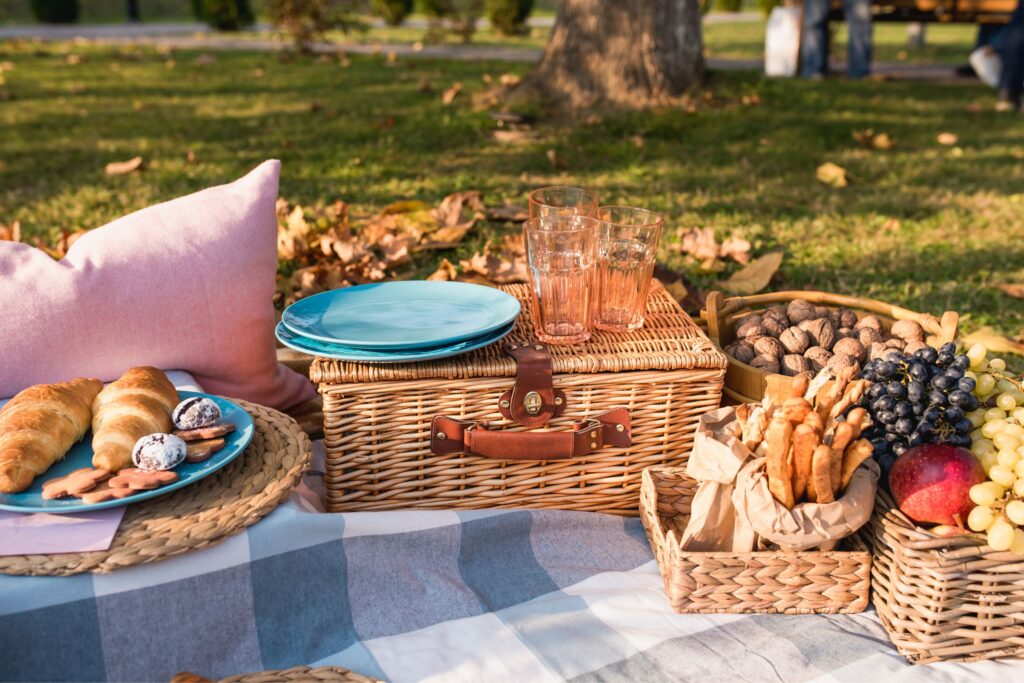
A picnic is a shared outdoor meal that combines food, leisure, and social connection in a natural setting such as a park, garden, beach, or countryside. The picnic definition refers to the practice of picnicking, meaning eating and spending time together outdoors—often with food brought from home or prepared on-site.
It represents one of the simplest yet most universal human traditions: enjoying nature and companionship through shared food and relaxation.
The picnic originated in 17th-century France, where the term pique-nique described a meal where each guest contributed something to share.
Over time, this early picnicking definition evolved from elegant indoor gatherings among the French elite into open-air feasts across Europe and beyond. The meaning of picnic in English grew to symbolize freedom, simplicity, and togetherness – values still central to the concept today.
In modern times, the word “picnic” extends beyond its literal sense. It captures both a social event and a state of mind – unhurried, inclusive, and deeply human.
Whether it’s a luxurious outdoor setup with styled décor or a quiet lunch on a blanket beneath a tree, the essence of picnics remains tied to connection, nature, and mindfulness.
The meaning of a picnic reflects a timeless cultural ritual that transcends generations. It transforms ordinary meals into shared experiences of joy, peace, and belonging, reminding us that the simple act of eating together outdoors can still be one of life’s greatest pleasures.
What Are the Origins of the Word “Picnic”
The picnic definition has an elegant and social origin rooted in 17th-century France. The word comes from the French term pique-nique, which described informal gatherings where guests each brought a dish or bottle to share.
These early events focused on participation and companionship rather than the location itself. In other words, the meaning of picnic in English has evolved from the idea of contribution and shared enjoyment to the familiar image of friends dining outdoors under the sun.
When exploring picnic etymology, linguists trace it to the verbs piquer (“to pick”) and nique (“a small thing”). Together, they form a phrase that literally means “picking at little bits.” This captures the relaxed, unhurried nature of eating small portions of food while talking and laughing – a custom that perfectly reflects the picnicking meaning we know today.
Initially, a pique-nique was not an outdoor affair. These meals were often enjoyed indoors among France’s educated classes, resembling what we now call a potluck dinner. The picnic originated in the 18th and 19th centuries as outdoor leisure gained popularity, especially among European aristocrats.
They started bringing fine wines, pastries, and roasted meats to lush gardens and scenic riverbanks, giving rise to the earliest version of al fresco dining.
As the idea crossed the Channel, the concept of picnicking expanded again. In England, people began organizing countryside outings complete with wicker baskets, cloth napkins, and patterned blankets. Public parks, newly accessible by carriage and later by train, made it easier for families of all backgrounds to gather outside and enjoy simple meals together.
Over time, the picnic’s meaning has come to represent much more than eating outdoors. The word picnic, meaning now symbolizes connection, freedom, and the joy of slowing down in a natural setting.
Whether it’s a family outing at Central Park, a romantic lunch by the Seine, or a weekend barbecue in the backyard, the meaning of a picnic continues to reflect one universal truth – sharing food under open skies brings people closer together.
The Meaning of Picnics in Literature and Culture
The meaning of picnic in English extends far beyond food and outdoor dining. In literature, art, and everyday life, a picnic often symbolizes freedom, leisure, and human connection.
The picnic definition captures a sense of simplicity and escape – an act of stepping away from daily structure to enjoy the present moment.
This quiet rebellion against routine gives picnicking meaning, its timeless appeal across generations and cultures.
Writers and artists have long understood the deeper picnics meaning within their work. In Jane Austen’s novels, for instance, countryside picnics are not merely social events—they’re turning points where emotions unfold and relationships evolve naturally.
Meanwhile, painters like Claude Monet and Édouard Manet depicted garden picnics as scenes of light, stillness, and unspoken intimacy, showing how nature and companionship blend into one perfect moment.
The picnic’s origin as a symbol of simplicity comes from what it intentionally removes: walls, schedules, and social hierarchies. A picnic erases boundaries – there’s no assigned seat, no formal attire, no rush. This setting invites people to relax, converse freely, and reconnect with themselves and each other.
The term “picnic” has evolved into a metaphor for emotional and social balance. It represents harmony between nature and humanity, between solitude and togetherness. Even in today’s world, lying on a blanket under open skies still feels like an act of renewal.
The picnicking definition continues to evolve in modern culture. Some see it as a nostalgic ritual, others as a mindful practice – an opportunity to pause and appreciate the simple pleasures of life.
Picnics in History – From Aristocrats to Backyard Blankets
The picnic definition has transformed remarkably throughout history, evolving from a refined European ritual to a universal expression of leisure and togetherness.
In the 18th and 19th centuries, the origin of the picnic was tied closely to Europe’s elite society, where gatherings in manicured gardens reflected status and sophistication.
During the Victorian era, these events reached their peak of elegance – complete with linen-draped tables, porcelain dishes, and servants overseeing every detail. Still, at its core, the meaning of picnic in English remained constant: the joy of sharing food in nature.
As the world changed and travel became more accessible, the meaning of picnicking shifted toward simplicity. In countries like the United States, Canada, and Australia, outdoor dining took on a more casual and communal form.
Families and friends filled wicker baskets with homemade meals, spread blankets on public lawns, and turned open landscapes into spaces of connection. This everyday version of picnics meant freedom and equality—anyone could enjoy a meal under the open sky.
Following World War II, picnics became a quiet way to restore peace and normalcy. Parks turned into places of laughter, music, and family reunions. The picnicking definition during this era spoke of renewal—simple meals like sandwiches, lemonade, and fruit symbolized both comfort and community.
Today, the word picnic embraces both nostalgia and modern creativity. Whether it’s a chic rooftop setup, a lakeside brunch, or a backyard afternoon with folding chairs, each picnic carries the same emotional thread – connection, calm, and joy.
Across time and continents, the meaning picnic continues to represent something universal: an appreciation of life’s simplest moments, shared with others under the open sky.
Meaning of Picnics in Social Rituals
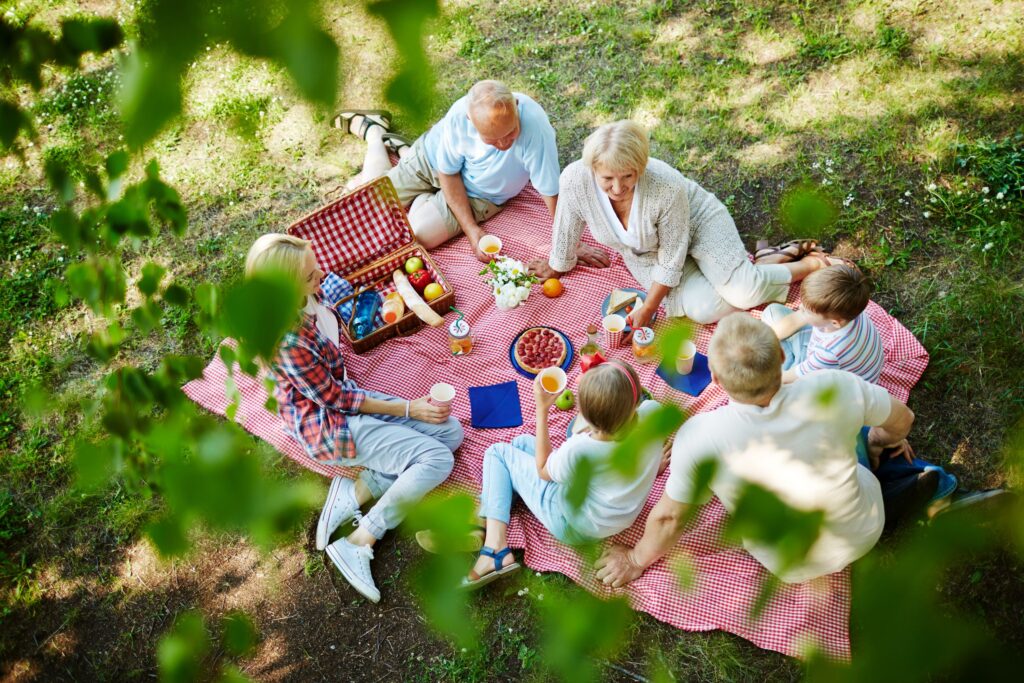
The picnic definition may sound simple – an outdoor meal shared among friends or family – but its deeper picnicking meaning lies in the way it brings people together through subtle, unspoken rituals. Sitting side by side on the ground dissolves social barriers and encourages genuine conversation.
The meaning of picnic in English has always carried this sense of connection, of sharing space and time without structure or pretense.
From an anthropological perspective, the term “picnic” reveals a social rhythm centered on equality and participation. The way people spread a blanket, share food from a central spot, and form a natural circle creates an atmosphere of belonging.
There are no formal rules, yet everyone intuitively knows their role – helping unpack the basket, passing a dish, or pouring a drink. This informality lends picnics a unique significance as one of the purest forms of human interaction: spontaneous, sincere, and rooted in shared experience.
In cultural terms, the picnicking definition represents a momentary escape from modern demands. A picnic asks nothing more than your presence. There’s no schedule to follow or performance to give.
You eat when you’re hungry, talk when you’re ready, and leave only when the light begins to fade. This freedom – to exist without expectation – is what makes the meaning picnic so enduring.
Even the blanket itself holds symbolic weight. Beyond its practicality, it serves as a soft boundary between the world and the moment. Spread it out, and the space transforms—a patch of grass becomes a table, a meeting ground, or a resting place.
Over time, that same fabric might hold birthday candles, quiet naps, or the crumbs of laughter shared among friends.
How the Meaning of the Modern Picnic Evolved
The definition of a picnic continues to evolve with each generation, reflecting how people connect, celebrate, and seek balance in their lives.
While the traditional image of picnicking – food on a blanket under the open sky – remains universal, the meaning of picnicking today encompasses a wide range of styles and experiences, from luxurious outdoor feasts to minimalist moments of solitude.
The meaning of picnic in English now carries layers of culture, comfort, and creativity that go far beyond the original act of eating outside.
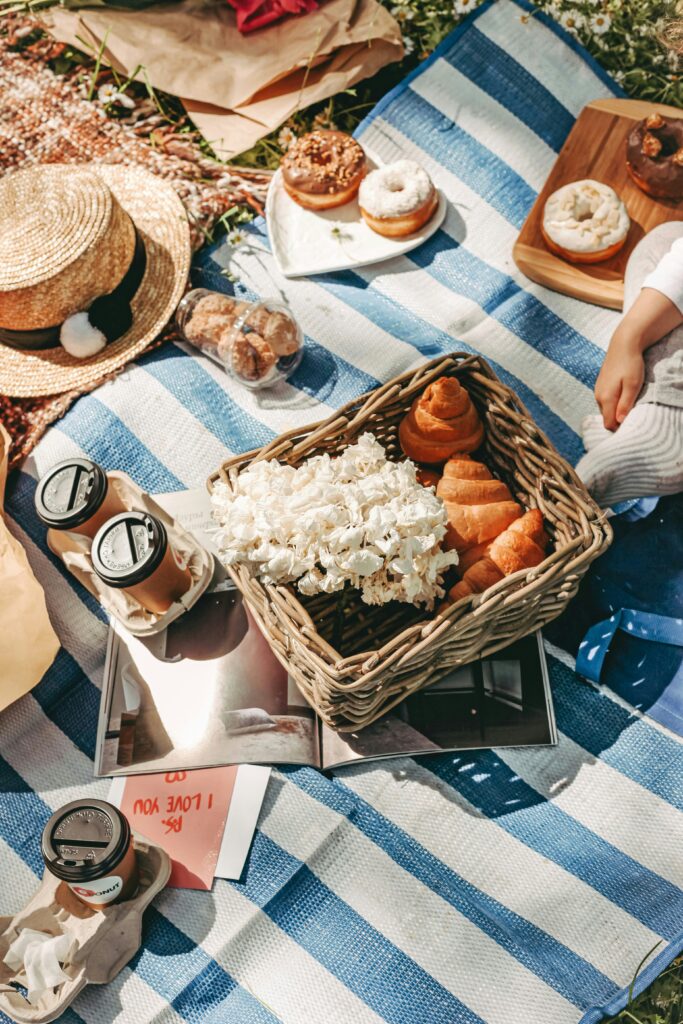
In recent years, the rise of luxury picnic setups has reimagined the picnic for the modern era. Professional stylists create themed outdoor experiences complete with floral arrangements, linen tablecloths, boho cushions, and gourmet grazing boards.
These elaborate scenes—often shared across social media – reflect a growing appreciation for aesthetics and experience. Yet, the picnic origin remains present in spirit: sharing food, laughter, and leisure under the open sky.
At the same time, simplicity remains just as meaningful. Someone sitting alone with a thermos of tea, a book, or a few cookies is part of the same tradition. This duality defines picnics’ meaning in the modern world—both elaborate and humble, social and solitary, digital and unplugged.
Technology has also shaped how people approach picnicking today. Portable speakers, rechargeable lanterns, and insulated cooler bags make outdoor dining more comfortable and versatile.
Yet, there’s a growing countertrend toward digital detox picnics, where phones stay tucked away and attention returns to real-world conversations, nature, and mindfulness. This reaffirms the meaning of picnic as not just a leisure activity but a conscious act of slowing down.
No matter how elaborate or simple, the picnicking definition remains centered on connection – to nature, to others, and to oneself.

The Role of Picnics in Modern Events and Celebrations
The picnic definition has expanded to encompass a diverse range of modern social occasions, combining casual comfort with creative celebration.
Once a simple outdoor meal, the meaning of picnic in English now encompasses birthdays, engagements, corporate gatherings, and even weddings – each adapted to fit today’s lifestyle and aesthetic.
This evolution reflects how the concept of picnicking has transformed from a spontaneous pastime into an intentional experience built around connection and atmosphere.
Across the world, the meaning of picnics in social life continues to expand. Event planners and hospitality companies now specialize in curated picnic experiences—complete with themed décor, floral arrangements, and gourmet spreads.
A luxury picnic can mark anything from a bridal shower to a milestone birthday, offering guests a relaxed yet elegant setting. In many ways, this shift represents a modern interpretation of the original picnic origin – a shared meal that celebrates community and joy, reimagined for contemporary tastes.
Still, not every gathering requires a designer touch. For many people, the meaning of a picnic remains rooted in simplicity: celebrating life’s special moments with homemade dishes, laughter, and nature as the backdrop.
A picnic in the park, a backyard blanket lunch, or a seaside picnic brunch can carry as much meaning as any lavish event. These small gatherings remind us that togetherness doesn’t need grandeur – it only needs intention.
The word picnic today merges tradition with innovation. It balances rustic charm with modern sensibilities, allowing people to personalize their celebrations in ways that feel both intimate and memorable.
Whether it’s a family reunion, a romantic anniversary, a first picnic date, or a corporate team-building day, the definition of picnicking continues to represent what it always has: sharing food, conversation, and joy in a space where everyone feels at ease.
FAQs
What is the historical origin of the word “picnic”?
The term comes from the French word pique-nique, referring to meals where guests contributed food. It later evolved into outdoor dining in the 18th century.
How did picnics become popular worldwide?
As public parks opened and travel became easier, picnics spread across cultures, each adapting the tradition to their local customs.
How did the idea of a picnic develop over time?
The picnic originated in 18th-century France as a form of elegant outdoor dining enjoyed by the upper classes. It spread across Europe, evolving into Victorian garden parties and later into today’s casual open-air gatherings in parks, meadows, and beaches. This historical shift reflects how people embraced nature and informal leisure as part of everyday life.
Why is sharing food central to the picnic tradition?
A picnic centers on communal meals, where each guest often brings a dish to share. This practice encourages generosity, strengthens social bonds, and highlights the cultural importance of homemade food. Sharing bread, fruit, or cheeses under the sky reinforces the picnic’s identity as a community-building leisure activity.
What social purpose does a picnic serve?
More than an outdoor lunch, a picnic serves as a social connector, allowing families, friends, or colleagues to relax, chat, and create memories in a natural setting: the unhurried pace and scenic backdrop turn mealtimes into a shared experience of togetherness and recreation.
How does a picnic differ from other outdoor meals?
Unlike barbecues or camping cookouts, which require on-site cooking, a picnic emphasizes pre-packed, ready-to-eat foods and minimal equipment. This convenience allows for spontaneous trips to parks or riversides, defining the picnic as a flexible and portable dining tradition.
What role does nature play in the meaning of a picnic?
Nature is the heart of any outdoor picnic experience. Fresh air, natural light, birdsong, and open views create a sensory escape from urban life. The surrounding landscape – whether forest, lake, or garden—shapes the mood and is central to the concept of dining in harmony with nature.
How have picnics been represented in art and literature?
Picnics appear frequently in paintings, poems, and novels as symbols of leisure and romance. From Manet’s Déjeuner sur l’herbe to 20th-century travel writing, artists have used picnics to capture themes of freedom, open-air elegance, and the simple joys of shared food.
Are there cultural variations in picnic traditions?
Yes. Across the world, regional picnic customs flourish. Japanese hanami picnics celebrate cherry blossoms, British hampers showcase cheeses and scones, and Indian monsoon outings feature spicy snacks. Each style shows how local foods and climate influence global picnic culture.
Why is portability important in a picnic?
The ability to easily transport baskets, coolers, and folding furniture defines a successful picnic setup. Compact, lightweight gear ensures the meal can travel to remote meadows or city rooftops, maintaining the essence of the picnic as an anywhere, anytime outdoor feast.
How do seasons shape the character of a picnic?
Seasonal conditions affect everything—from menu to mood. Spring invites flower-filled brunch picnics, summer calls for chilled drinks and shade, autumn highlights harvest flavors and cozy blankets, and mild winter days inspire thermos soups and hot cocoa, giving each season a unique picnic identity.
What makes picnicking a symbol of leisure and freedom?
A picnic represents unstructured enjoyment, where people choose their own time, place, and pace. Eating outdoors without walls or schedules embodies personal freedom and celebrates simple, mindful living.
How did the picnic become part of public parks culture?
As 19th-century cities built urban parks, they provided green escapes where families could gather, dine, and play. These open spaces encouraged affordable leisure and cemented the picnic as a key tradition in modern community recreation.
How do community picnics differ from private ones?
Community picnics—like school gatherings or neighborhood events—often feature shared potluck tables, music, and games. They strengthen local connections and reflect the picnic’s role as a collective celebration of outdoor life.
What is the significance of the picnic blanket?
More than a seat, the picnic blanket defines the dining area, creating a temporary “outdoor dining room.” It provides comfort, marks personal space, and visually unites food, décor, and people in a cozy, communal setting.
How has modern transport influenced picnic habits?
Bicycles, trains, and cars expanded access to scenic areas, transforming picnics into day trips to lakes, hills, and coasts. This mobility helped the picnic evolve into a travel-friendly leisure activity for families and couples.
Why are picnics linked to celebrations and holidays?
From Independence Day cookouts to May Day gatherings, holiday picnics blend tradition, seasonal foods, and festive games. The open-air meal naturally complements public holidays and family celebrations.
How do picnics reflect a simpler lifestyle?
A picnic highlights slow living and minimalism. Preparing homemade meals, relaxing in nature, and enjoying technology-free moments create a refreshing counterbalance to busy, screen-heavy routines.
What symbolic meanings do picnics carry in relationships?
For couples, a picnic can signify romance and intimacy. For families, it represents care and unity. These symbolic layers explain why romantic picnics and family outings remain popular for anniversaries, birthdays, or proposals.
How have environmental concerns reshaped the idea of a picnic?
Modern picnics increasingly focus on eco-friendly practices. People choose reusable cutlery, compostable napkins, and zero-waste meal plans, turning a simple outdoor lunch into a statement of sustainable leisure.
What role does music or entertainment play in a picnic’s identity?
Live acoustic sets, Bluetooth speakers, or classic games turn an outdoor meal into a complete recreational experience, reflecting the picnic’s tradition as a blend of dining and entertainment.
How do digital trends influence today’s picnics?
Social media inspires themed picnic setups—from boho décor to gourmet grazing boards—while location-sharing apps help groups coordinate. This shows how digital culture now shapes modern outdoor gatherings without replacing their natural charm.
✨ Love picnics as much as we do?
Join our community and get fresh picnic ideas, tips, and inspiration straight to your inbox. No spam, just simple ways to make every picnic special. 🌿🍓