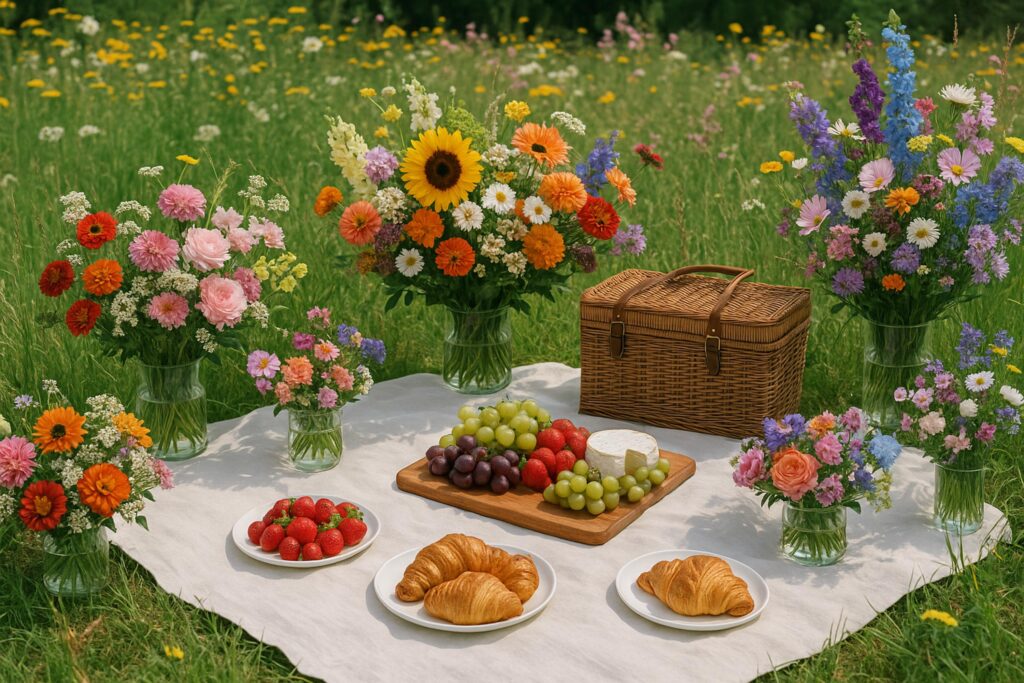
There’s something instantly cheerful about a picnic that includes flowers. For any occasion, a laid-back gathering with friends or planning a romantic outdoor brunch, picnic flowers create an inviting mood. The right choice of blooms does more than decorate the table—they set the tone for the entire experience. But how do you choose the best ones?
Let’s break it down. Not all flowers are suitable for outdoor events. You’ll want something that’s not only beautiful but also hardy enough to survive transport, heat, and a bit of wind. This is where knowing what works—and why—makes all the difference.
Flowers That Suit the Picnic Mood
Every picnic has its atmosphere, and the flowers you choose should reflect that. Some add playfulness, others romance. Some feel wild and spontaneous, others feel refined and graceful.
Sunflowers: Bold and Inviting
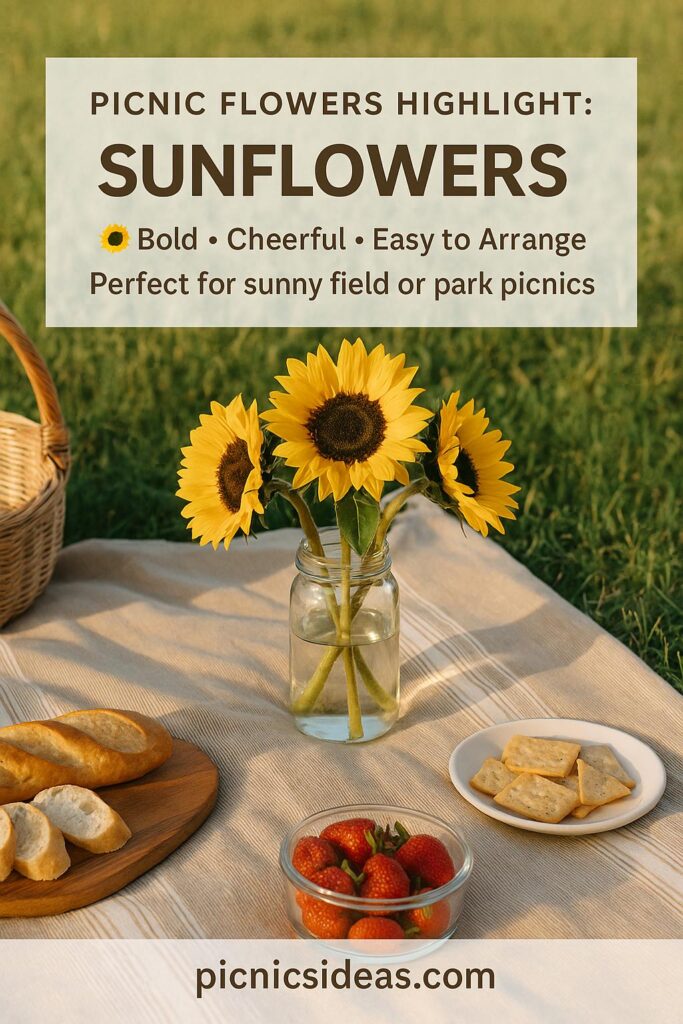
If your picnic is casual, sunny, and full of energy, sunflowers are the perfect choice. They’re strong-stemmed, easy to arrange, and instantly brighten the space. Their large faces follow the sun, and they hold up well even without perfect conditions. This makes them ideal for open fields, park setups, and picnic tables that need a burst of personality.
Daisies and Gerberas: Fresh and Fun
White daisies or colorful gerberas bring a carefree, playful vibe. They work well for birthday picnics, children’s picnic parties, or Sunday family gatherings. Their simplicity is part of their charm—they don’t try too hard, and that makes them a perfect fit for outdoor settings.
Wildflowers: Natural and Rustic
If your picnic has a rustic feel or takes place in a natural setting, such as a meadow or near a lake, wildflowers complement it beautifully. They create the feeling that the flowers were gathered that same morning. They’re also a great choice if you want a loose, organic bouquet without formality. Wildflowers often include blooms like Queen Anne’s lace, poppies, blue cornflowers, and tiny chamomile.
Flowers for a More Elegant Picnic
Sometimes, a picnic is more than a casual outing—it’s an occasion. An anniversary, a date night, a bridal shower. These moments deserve flowers that match the effort and elegance you’ve put into the setup.
Roses: Soft and Romantic
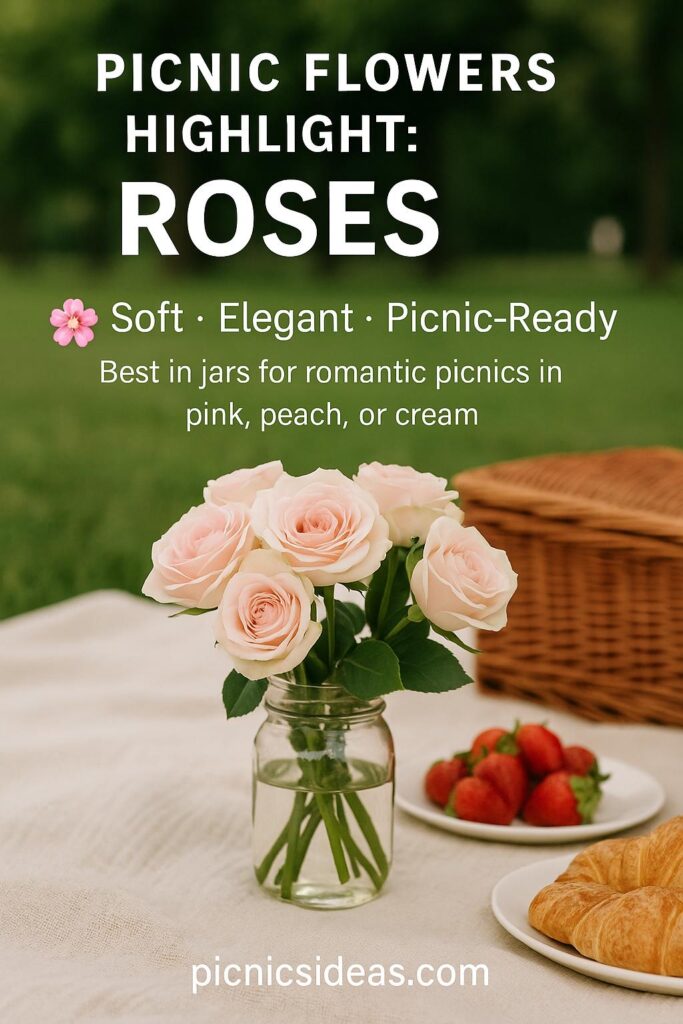
Roses are always a good idea for elevated picnic settings. For a picnic, go with spray roses or small garden varieties—they’re easier to arrange and look better in jars or bottles than long-stemmed versions. Soft pinks, warm peach tones, or creamy whites are all excellent choices, depending on the time of day and the overall color palette.
Lilies: Stylish and Graceful
Lilies carry elegance in every petal. They’re eye-catching without being overwhelming and last well throughout the day. They work wonderfully as part of a mix, especially with roses or eucalyptus leaves. If you’re preparing a table setup with real dishware and linen napkins, lilies blend right in.
Ranunculus: Delicate Yet Long-Lasting
Ranunculus have tightly layered petals that resemble peonies but in a smaller form. They come in rich shades like orange, burgundy, and blush. If you’re planning a luxury brunch or proposal picnic, a few stems of ranunculus can elevate your centerpiece effortlessly.
Why Seasonal Flowers Make Sense
Seasonal flowers aren’t just a budget-friendly option—they last longer, too. When flowers are in season, they’re naturally more resilient and easier to source fresh. That means fewer wilted petals by the time you reach your picnic spot.
In spring, popular seasonal options include tulips, daffodils, and anemones. These work well for light brunches and soft-themed gatherings. In summer, you’ll find zinnias, cosmos, sunflowers, and hydrangeas blooming. These offer structure and bright tones that look great under the sun.
When you use what’s naturally available, your bouquet feels more connected to the surrounding landscape. A field picnic decorated with in-season flowers from the same area feels authentic, intentional, and memorable.
How to Choose Flowers That Can Handle the Outdoors
Picnic flowers have to do more than look pretty. They need to withstand less-than-ideal conditions. Here’s what to look for:
Sturdy stems. Flimsy stems break easily during transport. Choose flowers like sunflowers, zinnias, chrysanthemums, or carnations that don’t wilt quickly.
Tolerant petals. Some blooms collapse in the heat. Others, like daisies and ranunculus, are more forgiving. If the weather is hot, avoid flowers that dry out quickly, such as peonies or tulips.
Compact size. Flowers that are too tall or top-heavy may topple over in even the slightest breeze. Shorter stems, or flowers that can be trimmed down and set low in jars, are easier to manage during a picnic.
Arranging Picnic Flowers Like a Pro
You don’t need formal training to arrange flowers that look great. What helps most is using the right mix of textures, colors, and heights.
Try starting with a few bold flowers as anchors, such as sunflowers or roses. Add in smaller filler flowers like baby’s breath or chamomile. Then, add a few stems of greenery or something unexpected, like herbs. Rosemary or mint works well and smells fantastic.
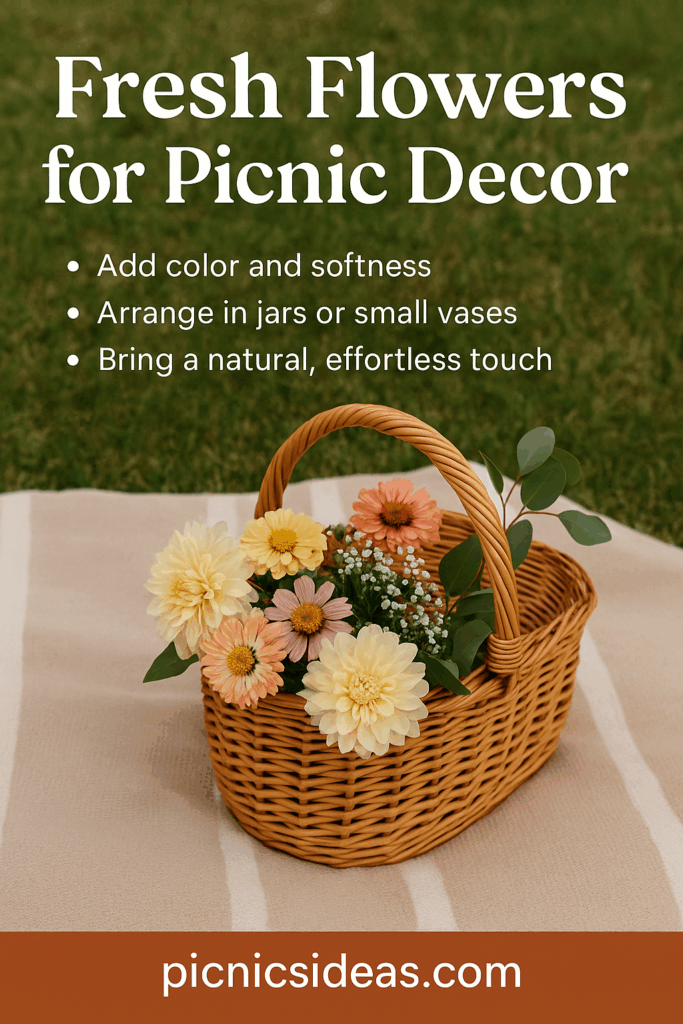
Use jars, empty glass bottles, or vintage-style vases. Choose containers that won’t tip easily and don’t take up too much room on your picnic cloth. If you’re packing light, even a tin can with twine wrapped around it can look charming with the right flowers inside.
Color Combinations That Work Well Outdoors
When planning picnic flowers, don’t just think about the individual blooms—consider how their colors will blend with your surroundings. The combination you choose can significantly impact the overall feel of the picnic.
Warm and Sunny: Yellow, Orange, and Red
These colors bring energy. If you’re setting up on a bright green lawn or near golden sand, warm shades like marigold, coral, and tomato red stand out beautifully. Use zinnias, calendulas, or poppies to create this mix. These colors also photograph well, which makes them a good choice for social media-ready picnics.
Soft and Romantic: Blush, Lavender, and White
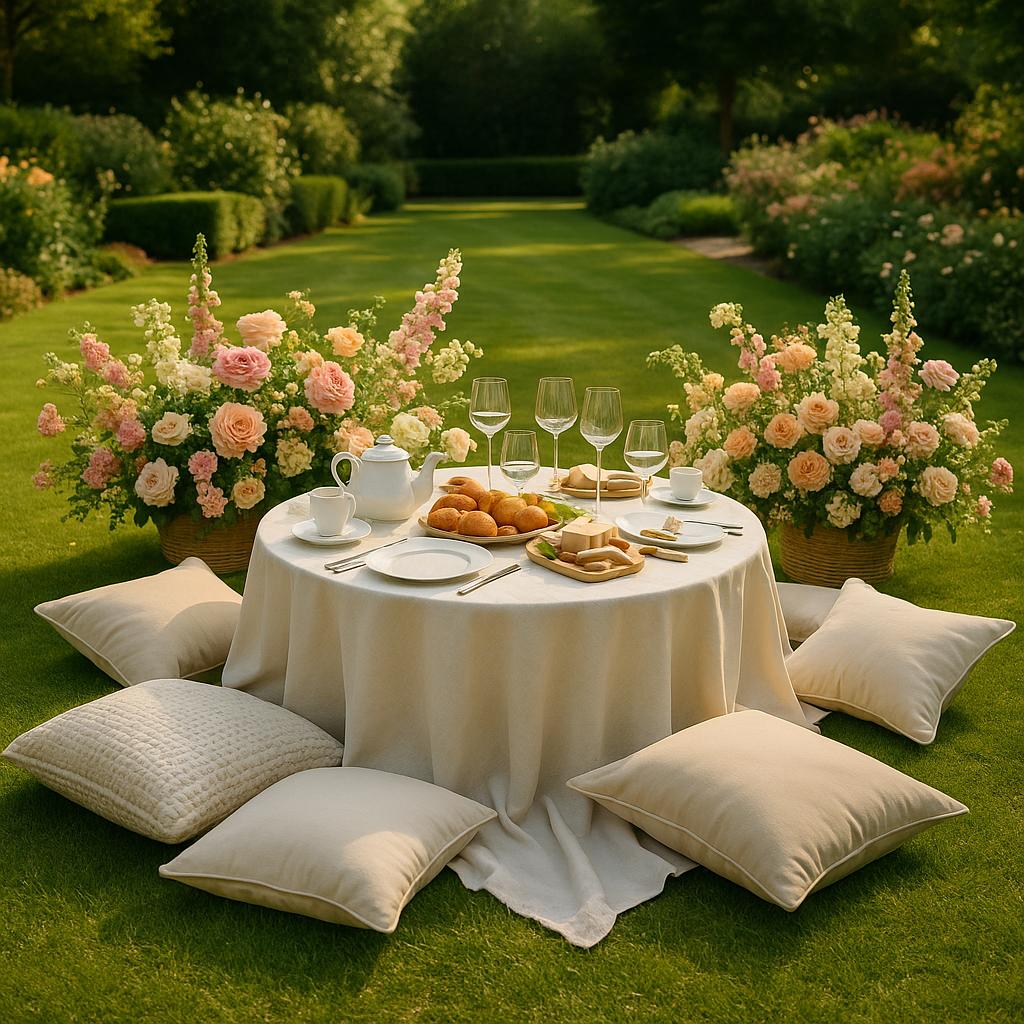
For a date or anniversary picnic, softer shades add a sense of calmness and charm. Pair pale roses, lisianthus, and lavender sprigs. These work well with picnic setups that utilize soft fabrics, such as linen tablecloths or macrame runners. They feel thoughtful and graceful without being overdone.
Bold and Creative: Purple, Fuchsia, and Blue
If you’re feeling playful or hosting a gathering for friends, lean into unexpected color. Use bold-hued blooms like delphinium, cornflower, or stock. The contrast looks great on a plain white or beige picnic cloth, bringing strong visual interest to the table.
You don’t have to follow color theory strictly—make sure your flowers don’t compete too much with the food and tableware. The best combinations complement your picnic without taking over.
Keeping Your Flowers Fresh During the Picnic
Outdoor setups don’t have the luxury of a climate-controlled room. So if you’re bringing flowers to a picnic, you’ll need to think ahead. The way you store and transport them can significantly impact their appearance.
Before You Leave Home
Trim stems diagonally and place the flowers in water for at least two hours. This step helps them stay hydrated for more extended periods. If you’re leaving early in the morning, you can prep them the night before and keep them in the fridge overnight. This helps the flowers stay crisp.
Wrap the blooms gently in damp paper towels, and cover the stems with a plastic bag or beeswax wrap to prevent spills. Keep the flowers in a box or basket to prevent them from shifting around during travel.
At the Picnic Spot
Once you arrive, arrange the flowers in small jars filled with fresh water. Add a pinch of sugar and a few drops of lemon juice or vinegar—it’s an easy way to help flowers stay fresh for a few more hours.
Keep the arrangement shaded, either under an umbrella, in a basket with a cloth cover, or near a tree. Avoid placing flowers directly under the sun, especially during midday hours.
If you’re staying out for a long time, check the water halfway through and refill it with cold water if it gets warm. Small touches like that make a big difference in keeping the blooms looking their best.
Flower Choices Based on Picnic Type
The kind of picnic you’re hosting plays a significant role in which flowers make sense. A birthday party looks and feels different from a quiet reading picnic or a surprise proposal. The flowers should help reinforce the experience, not distract from it.
For a Romantic Picnic
Stick with soft colors and delicate shapes. Think garden roses, baby’s breath, pale lisianthus, or blush carnations. These flowers demonstrate care and attention without being overly obvious. Add a few herbs, such as rosemary or lavender, for a subtle scent.
For a Family Gathering
Here, flowers should be sturdy, fun, and easy to manage. Choose daisies, sunflowers, and marigolds. If kids are attending, let them create mini bouquets or decorate jars with twine and stickers. The key is ease and color—nothing too delicate.
For a Girls’ Picnic or Brunch
This is where you can take a bold step. Use gerbera daisies, zinnias, ranunculus, and bold greens. Try arranging the flowers around the charcuterie board or scatter a few petals on the cloth for visual interest.
For a Quiet Solo Picnic
Even if it’s just you and your book, flowers add a comforting presence. A single jar with two or three chamomile or lavender stems can set a peaceful tone. You don’t need a full bouquet—just enough to make the space feel special.
Best Flower Containers for Picnics
Picking the right flowers is only part of the story—how you display them matters just as much. The best picnic flower containers are portable, stable, and spill-resistant.
Mason Jars
These are the go-tos for most picnic bouquets. They’re affordable, easy to carry, and look great in any setting. Wide-mouth jars are best if you’re using full blooms, such as roses or peonies.
Recycled Bottles
Wine or sparkling water bottles make excellent vases. If you’re short on packing space, consider bringing just one tall-stemmed arrangement and placing it beside the picnic spread.
Mini Vases or Tin Cans
For rustic setups or vintage themes, use repurposed cans or small ceramic vases. They pair well with wildflowers and don’t tip over easily.
Wrapped Bundles
Sometimes, you don’t need a vase at all. A bundle of tied stems placed on a plate or tray works beautifully for photo setups or short stays. You can wrap them in parchment paper or a cloth napkin and display them.
Should You DIY or Buy a Ready Picnic Bouquet?
If you enjoy flower arranging, bringing your picnic bouquet can be a fun way to personalize your setup. It gives you the freedom to match the exact style you want. You can cut blooms from your garden, visit a local farmer’s market, or build a mix from grocery store stems.
However, if you’re short on time or prefer a more polished option, purchasing a ready-made bouquet is also a great choice. Just be sure to choose something compact and heat-tolerant. Avoid large, formal arrangements—they’re harder to carry and don’t always suit a picnic setting.
Scented Picnic Flowers
The right fragrance can add something special to a picnic. But too much scent can clash with food or overwhelm the senses. So the goal is subtle enhancement, not domination.
Light Fragrance That Works Well Outdoors
Lavender is one of the best flowers for picnic arrangements, offering a gentle, relaxing scent. It also repels insects naturally, which is a bonus. You can’t tuck a few sprigs into your bouquet or lay bundles near food trays to keep bugs away.
Chamomile is another lovely option. It has a mild, apple-like aroma that pairs exceptionally well with spring or early summer picnics. It’s soft, pretty, and doesn’t compete with what’s on the menu.
If you’re setting a romantic tone, roses offer a timeless fragrance. But go for garden roses, which have a more natural scent and open in a way that feels less formal. Keep the number limited so the perfume doesn’t overpower the meal.
When to Avoid Fragrance
During picnics that include charcuterie boards, spicy foods, or wines with complex aromas, skip the highly scented flowers. Strong floral scents—such as lilies or tuberose—can clash with certain dishes, disrupting the overall taste experience.
If in doubt, use scent-neutral flowers and add herbs instead. Rosemary, mint, and thyme are picnic-friendly, aromatic, and look great layered into the bouquet.
Filler Flowers and Greens That Complete the Look
Every good picnic bouquet needs filler elements. These are the subtle additions that give the bouquet body, variety, and texture. Without them, even the most beautiful flowers can appear scattered or too sparse.
Baby’s Breath
This is one of the most versatile filler flowers because it blends well with almost everything. It’s invaluable in soft color schemes—pinks, whites, and light purples. It adds an airy feel without pulling focus from the main blooms.
Statice
If you’re aiming for a rustic or boho picnic, statice adds a slightly wild look. It comes in purple, pink, and white, and holds up well even without water. This makes it perfect for longer outdoor gatherings.
Eucalyptus
Eucalyptus branches are suitable for all kinds of picnic setups. They give structure to floral arrangements and add a fresh, clean scent. Their silvery green color also complements everything from sunflowers to roses.
Ferns or Soft Greens
To complement your bouquet with gentle contrast, consider using ferns or simple greenery. These provide shape without being visually heavy. For example, pairing soft greens with white daisies or pink peonies can make the flowers stand out.
Adding texture also helps tie the bouquet to its surroundings. A bunch of sunflowers surrounded by eucalyptus and chamomile feels like it belongs on a field blanket under a tree.
Using Flowers as the Centerpiece of the Picnic
In a picnic setup, the bouquet doesn’t have to be just an afterthought. When used thoughtfully, it becomes the centerpiece, just like a vase on a dining table. However, here, it should feel casual and blend in with everything else that’s going on.
You can place your flower arrangement at the center of your cloth and build the setup around it. Lay fruits, cheeses, and pastries nearby in a circular shape. This creates balance and makes everything look stylish, even if it’s a low-effort approach.
For romantic picnics, placing flowers between two plates sets the mood gently. You can even scatter a few petals on the blanket for softness. If you’re using a small picnic table or crate, elevate the bouquet slightly by placing it on a wooden riser or inside a basket.
If you’re hosting a birthday picnic party, try creating multiple mini bouquets and spreading them throughout the setup. This not only looks lovely but also makes great take-home gifts.
Edible Flowers for a Unique Twist
Some flowers don’t just sit in a jar—they go on your plate. Edible flowers can add color and surprise to your picnic menu. But they’re not just for show—they should be safe to eat and taste mild or pleasant.
Calendula has bright orange or yellow petals and adds a peppery twist. It looks excellent sprinkled on potato salads or savory tarts.
Violas and pansies are delicate and slightly sweet. They work beautifully on top of cupcakes, fruit platters, or tossed into leafy salads.
Borage features small, blue, star-shaped flowers and a cucumber-like flavor. It’s a fun addition to sparkling water or light cocktails.
Nasturtiums are more peppery and bold. These are best added to sandwiches, cheese boards, or savory appetizers.
If you’re using edible flowers, make sure they’re pesticide-free and meant for culinary use. Don’t grab random garden flowers and assume they’re food-safe. Buy them from a trusted local market or grow your own.
Matching Flower Styles With Picnic Themes
Sometimes the fastest way to choose flowers is to match them with your theme. Here’s how to align your floral picks with different picnic vibes.
Boho Picnic
Use wildflowers, dried elements like strawflowers, and neutral fillers like pampas grass. Arrange them loosely in mismatched jars. Add woven textures—such as rattan or macrame—to tie it all together.
Beach Picnic
Choose light, breezy flowers that won’t wilt in salty air—think sunflowers, lilies, and soft greenery. Keep the palette soft: pale yellow, white, or coral. Secure your vases to prevent them from being tipped over by the wind.
Backyard Birthday Picnic
Mix colorful zinnias, daisies, and roses for a festive look. Place small bouquets at each corner of the table or picnic cloth. Add confetti or balloon accents if the celebration calls for it.
Evening Picnic or Sunset Dinner
Use moody tones—deep reds, purples, and dark greens. Candlelight pairs beautifully with these colors. Flowers like ranunculus, garden roses, and calla lilies add elegance that feels right after dusk.
How to Personalize Your Picnic Flowers
One of the easiest ways to make your picnic feel intentional is to personalize the floral arrangement. This doesn’t require fancy skills—just a few small choices that connect the flowers to your moment.
Match Flowers to the Occasion
If the picnic is for a birthday, include the recipient’s birth flower. For example, marigolds for October, daffodils for March. It’s a simple touch that makes the bouquet feel custom.
For anniversaries, consider the couple’s wedding flowers or the colors used on their big day. A few stems of the same bloom create an instant emotional connection.
Even for casual get-togethers, using your guests’ favorite color in the bouquet makes them feel considered. It shows effort without needing a grand setup.
Add a Personal Token
Tying a handwritten tag to the jar, placing a charm on the ribbon, or adding a small note card tucked among the flowers makes the arrangement more meaningful. You could write a memory, a quote, or a short wish. These small details leave a lasting impression and elevate the overall experience.
Budget-Friendly Picnic Flower Ideas That Still Impress
You don’t have to spend a lot to include fresh flowers at your picnic. If you’re watching your budget, there are still creative and beautiful options.
Use Grocery Store Bouquets
Most local supermarkets carry mixed bunches at low prices. While these might not be as polished as florist bouquets, you can re-cut, sort by color, and rearrange them in your own jars. Add a few sprigs of greenery or herbs to make the mix feel intentional.
Cut From Your Garden or Nearby
If you have access to a garden—or a willing neighbor—you can use seasonal blooms and herbs growing close to home. Lavender, mint, rosemary, marigolds, and even flowering basil all make charming arrangements. These types of bouquets feel local and personal.
If you’re gathering from wild areas, make sure you’re not picking anything protected or growing in public conservation zones.
Use Just One Type of Flower
Sometimes, less really is more. A bunch of white daisies or ten sunflower stems in separate jars makes just as much of an impact as an elaborate mix. Repeating one element gives your picnic a clean, put-together look with less cost and less effort.
Reusing and Drying Flowers After the Picnic
There’s no reason to toss your flowers at the end of the day. With a bit of care, you can repurpose them into décor or keepsakes. It’s a nice way to stretch the value of your bouquet beyond one afternoon.
Air-Dry Your Picnic Flowers
To preserve your flowers, trim the stems and remove any excess foliage. Then tie the bunch with a string and hang it upside down in a dry, dark place for one to two weeks. This arrangement works best with flowers such as statice, lavender, baby’s breath, eucalyptus, and roses.
Once dried, these can be displayed at home, tucked into journals, or saved in shadow boxes as a memory from your outing.
Make Mini Arrangements at Home
Separate leftover blooms into smaller jars and place them around your home. One on the kitchen counter, one by the bed, and another in the bathroom. Even if they only last a few more days, they’ll continue to brighten your space.
Compost the Rest
If some flowers wilt beyond repair, composting is a good way to return them to the earth. You’ve enjoyed them, and now they can enrich the soil—nothing is wasted.
Seasonal Flower Suggestions by Picnic Month
If you’re unsure what’s in season, here are some examples of flowers that are commonly available and affordable depending on the month of your picnic:
April–May
Tulips, anemones, daffodils, lilacs. Great for early spring picnics and Easter themes.
June–July
Sunflowers, cosmos, chamomile, daisies, lavender, zinnias. These hold up well under summer heat.
August–September
Marigolds, dahlias, celosia, statice. Richer tones and hearty textures that feel right for late summer.
October–November (warm regions only)
Chrysanthemums, ornamental kale, and eucalyptus. These can be used for cozy autumn picnics with heavier meals and hot drinks.
Seasonal availability varies by region, but buying what’s local and in bloom usually results in better prices and fresher stems.
Why Flowers Matter in a Picnic Setup
Adding flowers to a picnic may seem like a small thing, but it changes how people experience the day. Flowers slow things down. They make the space feel more cared for. When people see flowers on a picnic table or blanket, they take a moment to appreciate them. They notice the colors. They smile. That’s precisely the kind of detail that makes memories stick.
Even if the rest of your setup is simple, a single bouquet can make the picnic feel like an event. And when the flowers are chosen with care, arranged thoughtfully, and kept fresh, they create a mood that lingers long after the food is gone.
This contrast is evident in natural light and beautifully balances the warm colors of the food on the table.
Don’t Overcrowd the Setup
Leave negative space around the bouquet. This allows the flowers to become a focal point without overpowering the scene. A well-placed flower jar beside a plate of berries or pastries is enough to set the tone without cluttering the space.
Picnic Flower Tips
If you’re planning to bring flowers to your next picnic, keep these final thoughts in mind:
- Plan the arrangement last. After you’ve decided on your food, theme, and location, choose flowers that enhance—not compete with—your setup.
- Start simple. Even one type of flower, thoughtfully arranged, can transform your picnic.
- Think about scent. Subtle, fresh-smelling flowers are better than overpowering ones, especially when paired with food.
- Carry smart. Use jars with water-tight lids or wrap stems in damp cloth to keep everything fresh until setup.
Flowers don’t have to be extravagant or expensive to make a picnic feel elevated. What matters is intention.
Why the Right Flowers Make Every Picnic Better
Flowers can turn any picnic into a truly memorable experience. Whether you’re planning a casual afternoon or a more styled outdoor event, choosing the right picnic flowers adds charm, personality, and atmosphere.
From sunflowers and daisies for cheerful gatherings to roses and lavender for romantic moments, your flower choices can reflect the season, occasion, and even the mood you want to create. It’s not about spending a lot—it’s about being intentional with what you pick and how you present it.
Use sturdy blooms, match the color palette to your setup, and consider simple containers like jars or bottles that travel well. Add scent with care, include greenery for texture, and don’t overlook the power of small personal touches.
Whether you cut them fresh from the garden or pick them up from a market, picnic flowers invite people to slow down and enjoy the moment. It’s a detail that doesn’t go unnoticed—and one that always feels worth the effort.
FAQs
How early can I prepare flowers before a picnic?
You can arrange flowers the night before if you store them in water in a cool place. Trim the stems and keep the bouquet wrapped in a damp towel or stored in jars in the refrigerator until you’re ready to use it.
Can I reuse the flowers for another event?
Yes. If the blooms are still fresh after the picnic, you can repurpose them into smaller jars for home décor or dry them for crafts or keepsakes.
Which flowers attract the fewest insects?
Lavender, marigolds, and eucalyptus are known to repel some insects. Avoid sugary-smelling blooms or anything sticky, as they may attract bees or ants.
How much should I spend on picnic flowers?
You can create a beautiful arrangement for under $10 using local market stems or garden cuts. Even a $3 grocery store bunch can look great with smart trimming and a clean jar.
Are fake flowers okay for a picnic?
They’re practical in windy or hot conditions, but they lack the charm, scent, and seasonal connection of real flowers. If you use faux flowers, opt for high-quality versions and pair them with real greenery or herbs to create a natural-looking setup.
✨ Love picnics as much as we do?
Join our community and get fresh picnic ideas, tips, and inspiration straight to your inbox. No spam, just simple ways to make every picnic special. 🌿🍓