Packing a perfect picnic starts with preparation and smart choices that make the day stress-free. The right basket or cooler, a reliable blanket, and a few comfort items set the foundation for an enjoyable outdoor meal.
For warm weather, an insulated cooler with ice packs keeps food safe and drinks chilled. On cooler days or for short outings, a classic woven basket adds charm while keeping snacks organized and accessible.
A sturdy picnic blanket with a waterproof underside protects against damp ground, while a soft, washable top layer ensures comfort. Adding a tarp, throw, or small cushions makes the setup even more practical and inviting.
With these essentials in place, you’ll have everything you need to create a comfortable space and focus on the best part—sharing good food in the open air.
Best Foods to Pack for a Picnic
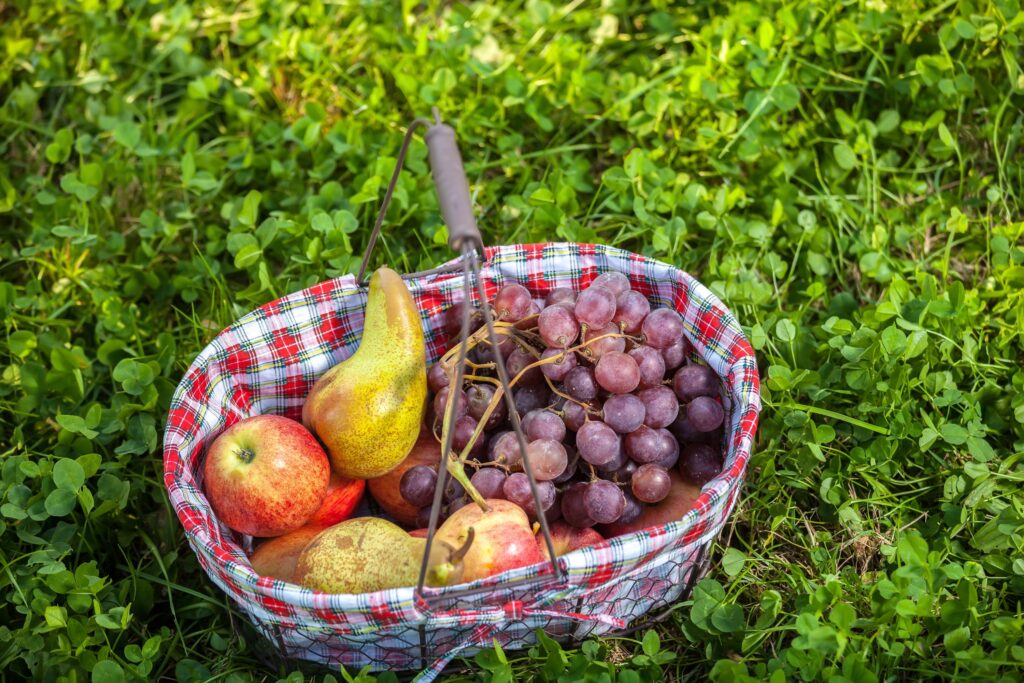
Picnics work best with finger foods because they travel easily, need little preparation on-site, and are simple to share. Choose items that keep their texture, such as hard cheeses, baguette sandwiches, fresh fruit like grapes or strawberries, and crisp veggie sticks with dip.
These options hold up well outdoors without wilting, leaking, or spoiling too quickly.
Avoid meals that must stay piping hot or frozen. If you pack chicken salad, pasta, or other perishable dishes, store them in airtight containers inside a cooler with ice packs or frozen water bottles.
This keeps food safe and helps prevent spoilage when you don’t have access to a fridge.
Drinks also need attention. Water is non-negotiable for any outing, especially in warm weather. For something more festive, flavored sparkling water or homemade lemonade is refreshing and easy to carry.
When learning how to pack a perfect picnic, skip drinks that require hours of refrigeration unless you know your cooler can keep them cold.

Which Picnic Essentials to Pack for Serving and Cleanup
Flimsy disposable cutlery can spoil the fun, so bring sturdy reusable plates, cups, and utensils instead. When planning to pack a perfect picnic for more than two people, portion food ahead of time—salads in jars, dips in small lidded bowls, and sandwiches individually wrapped.
This saves time and keeps the picnic organized.
Even if everything is prepped, include a small cutting board and a sharp knife. They’re handy for slicing cheese, bread, or fruit. Add a bottle opener, corkscrew, or can opener, depending on what’s on your menu.
Napkins and wipes should be easy to reach, especially if you’re serving fruit, sauces, or greasy foods. Extra bags for trash, recyclables, and dirty dishes make cleanup quick and help you leave the space spotless.
What to Pack for Romantic, Family, or Group Picnics
Not every outing requires the same setup, so tailor your packing to the type of picnic you’re planning.
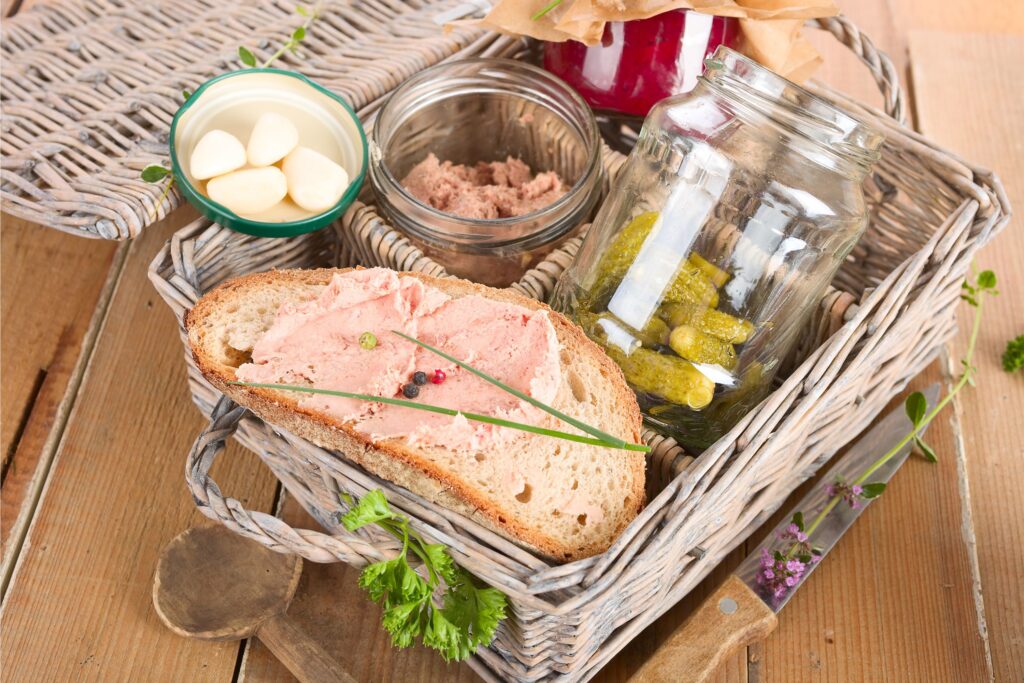
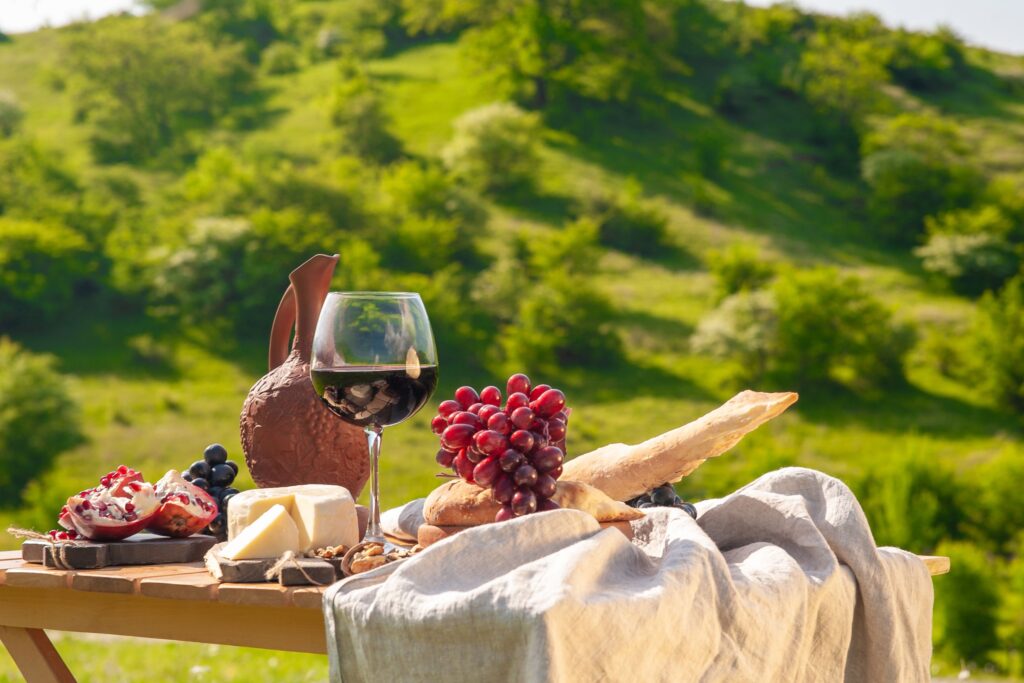
For a romantic picnic, keep things light and intimate. A small charcuterie board, reusable wine glasses, and a cozy throw blanket set the tone. Add compact items like battery-powered fairy lights if you’ll stay past sunset for extra ambiance.
A family picnic calls for more practical extras. Pack spill-proof cups, backup snacks, and a few activities such as toys or a ball to keep kids entertained. Extra cleaning supplies and a small pop-up shade or tent make longer stays more comfortable.
For a group picnic, organization is key. Assign responsibilities so one person brings drinks, another brings desserts, and someone else handles games or music.
Coordinating this way prevents overpacking and keeps the focus on enjoying the time together while following the basics of how to pack a perfect picnic.
Pack for Changing Weather
To pack a perfect picnic, you need to think ahead about the weather instead of relying on luck. A sunny morning can turn windy or damp in minutes, especially near the coast or during spring.
Checking the forecast helps, but it’s smart to prepare for temperature changes, sudden breezes, or light rain.
Sun protection should be a priority. If you’ll be outdoors for more than an hour, bring a sunshade or umbrella—trees don’t always provide enough coverage.
Portable canopies or beach tents keep both food and guests safe from direct sunlight. Add SPF 30+ sunscreen, wide-brim hats, and UV-protection sunglasses to your essentials.
On cooler days, pack extra layers. A fleece, hoodie, or blanket for each person makes the outing more comfortable.
For seating, place an insulated mat or foam pad beneath your picnic blanket to block cold or damp ground.
If rain is possible, don’t cancel right away. Bring a lightweight tarp, foldable ponchos, and an extra blanket in a waterproof bag. For parks or beaches, identify sheltered areas in advance so you’re not scrambling for cover.
Packing Tips for a Picnic with Pets
Bringing your dog or small pet along can make the outing more enjoyable, but preparation is key. Always check local rules first to confirm pets are allowed and whether leashes are required. Being ready for their needs helps the day stay fun and stress-free.
Start with the essentials: carry fresh water and a collapsible bowl so your pet doesn’t depend on public fountains. Add a portion of their regular food or treats, plus a favorite chew toy, to keep them busy while you eat.
A ground cloth or towel gives them a clean spot to rest, which is especially useful if the grass is damp or the area is dusty.
If you’ll be out for several hours, extra items make a big difference.
Pack waste bags for easy cleanup, a sturdy leash with a tether hook or stake, and a backup towel for muddy paws or wet fur.
Keeping pet supplies in a separate bag from human food helps prevent messes and keeps your picnic setup organized.
Here’s a quick checklist to guide you when you pack a perfect picnic with pets:
- Collapsible water bowl and fresh water – hydration comes first.
- Pet food or treats – something familiar to keep them comfortable.
- Chew toy or small distraction – reduces begging or restlessness.
- Ground cloth or towel – provides a clean, dry place to sit.
- Waste bags – essential for quick and responsible cleanup.
- Leash with tether or stake – keeps pets safe while giving them space.
- Backup towel – for unexpected mud, spills, or rain.
Choosing a quieter picnic time and setting up away from crowds can also help if your pet tends to wander or get anxious. This way, you create a setup that works for both people and pets.
How to Make Your Picnic Setup Extra Comfortable
A comfortable setup turns a simple outing into a relaxed experience. Small details matter, especially if you’ll be sitting outdoors for more than an hour.
Planning saves you from constant fidgeting or makeshift fixes during the meal.
If you’re sitting on the ground, add extra padding. Cushions, seat pads, or even folded towels and yoga mats can serve as substitutes.
For adults or anyone with back issues, lightweight folding chairs or stools are worth bringing—they improve posture and make socializing easier.
Here are comfort items that make a difference when you pack a perfect picnic:
- Cushions, seat pads, or yoga mats – prevent stiffness and add softness.
- Lightweight folding chairs or stools – better support for longer stays.
- Blanket with waterproof backing – keeps dampness away.
Music helps set the tone, but keep it subtle. A small Bluetooth speaker on low volume creates ambiance without disturbing nearby picnickers. Choose playlists to match the mood, whether it’s acoustic, chill, or light jazz for a brunch setting.
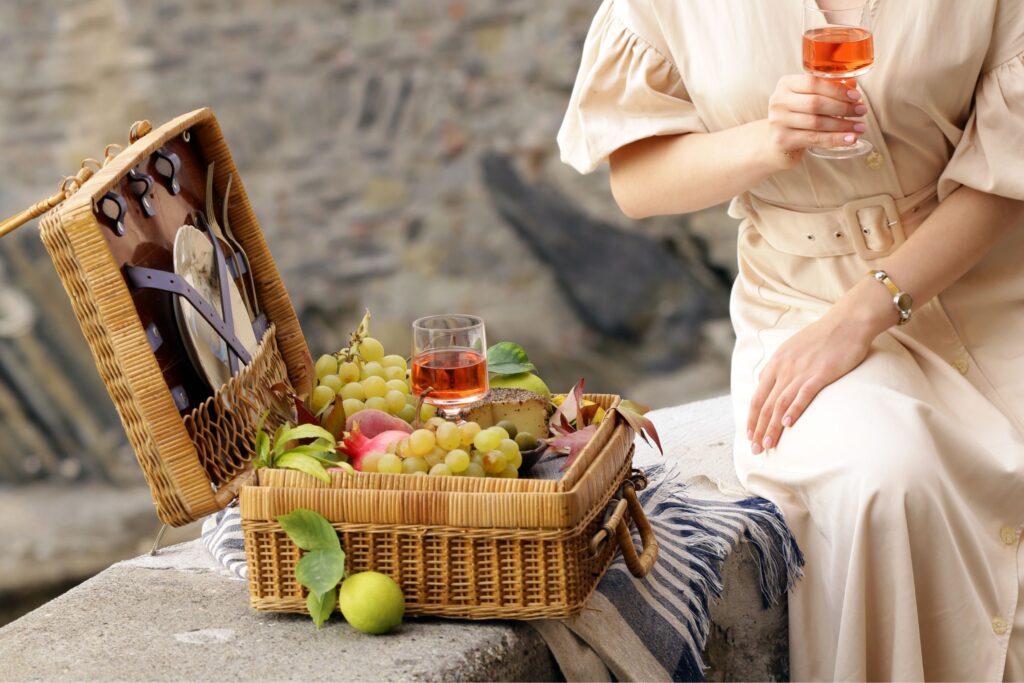
For those who enjoy a photo-worthy spread, use props that serve more than one purpose. A wooden tray keeps drinks and snacks stable while doubling as a serving board.
A scarf tied around the basket adds style but can also be used as a wrap if it gets windy. Multifunctional items keep your setup light while still looking polished.
How to Organize a Picnic Bag for Easy Access
Organizing your picnic bag means arranging items so they’re simple to reach when needed. A clear system prevents spills, wasted food, and the stress of searching through a messy bag.
When picnicking with several people, assign sections inside the bag or cooler—drinks in one area, perishables in another, and dry snacks in a separate space. Small zippered pouches or bins are practical for utensils, napkins, and wipes, keeping essentials in one place.
For glass bottles or jars, wrap them in soft cloths or towels and place them between other items for protection. Always keep heavier items low and toward the center to stabilize the bag and reduce shifting while you carry it.
Here’s an easy structure to follow when you pack a perfect picnic:
- Bottom layer – heavy containers, bottles, and sturdy items.
- Middle layer – chilled foods and perishables with ice packs.
- Top layer – bread, fruit, or snacks that crush easily.
- Side pockets or pouches – napkins, utensils, wipes, and sanitizer.
This approach creates a smooth picnic experience where everything is visible and accessible, letting you focus on enjoying the day.
Packing Tips for Picnic Waste and Cleanup
Picnic cleanup doesn’t have to spoil the day if you plan ahead. Before leaving home, pack a dedicated cleanup bag with trash liners, resealable containers for leftovers, and a damp cloth or eco-friendly wipes.
These small steps make the end of your outing much smoother.
As you finish eating, collect utensils and plates in one spot. Stack reusable items together and separate food waste from recyclables to keep things organized.
If there are no bins at your picnic location, carry everything back with you to ensure you leave no trace.
A compact brush and dustpan are proper when picnicking on sandy beaches or grassy areas. They make it easy to shake off crumbs and clean your mat before folding it.
Give yourself a few minutes to scan the area before heading home. This prevents losing essentials like a bottle opener, Bluetooth speaker, or food container that may have slipped into the grass.
A thoughtful cleanup is part of learning how to pack a perfect picnic and ensures the space is just as welcoming for the next visitors.
What to Pack for a Kid-Friendly Picnic
When planning a picnic with children, safety, simplicity, and fun should guide your packing choices. Once kids are comfortable and entertained, everyone can enjoy the outing more.
Start with food that’s easy for little hands to manage. Finger foods work best—mini sandwiches, cheese cubes, baby carrots, and seedless fruit are reliable options.
Skip messy dishes, strong spices, or anything that requires cutting. To avoid picky-eater struggles, let kids help prep their lunchboxes beforehand so they’re excited to eat what’s packed.
Pack food in individual portions rather than large containers. Bento boxes or reusable snack cups keep servings fresh and make distribution simple. Include small treats, but steer clear of items that melt in the sun, such as chocolate bars.
Comfort matters too. Since kids rarely sit still, bring a lightweight play mat or blanket separate from the main picnic area. This gives them space to move around without spreading dirt near the food.
Don’t forget essentials that protect against the elements. Pack sunscreen, wide-brim hats, insect repellent, and plenty of water to keep them safe and hydrated.
A few compact toys, a ball, or coloring supplies can also help keep kids entertained while adults relax.
How to Pack for a Short Picnic vs. a Full-Day Picnic
Your packing list should match the length of your outing. A quick park lunch requires just the basics, while a full-day picnic calls for a greater variety and more comfort.
For short picnics, keep things simple. One blanket, a cooler bag with pre-packed meals, drinks, and basic utensils are usually enough. Skip bulky extras, such as speakers or multiple layers. Choose foods that stay safe for a couple of hours without heavy refrigeration—sandwiches, salad jars, muffins, or pre-cut fruit.
For a full-day picnic, plan for changing needs. Pack a mix of snacks you can enjoy throughout the day, such as trail mix, protein bars, or popcorn. Bring plenty of drinks, including insulated flasks, if you plan to have coffee or tea later.
Activities like playing cards, throwing a frisbee, or reading a book help fill the time, while extras such as LED tea lights or an extra blanket make the transition into the evening more comfortable.
The key to learning how to pack a perfect picnic for a full day is balancing energy, variety, and comfort. Match what you bring to the group’s pace, and you’ll have everything needed to enjoy the outing from start to finish.

Getting Ready for a Solo Picnic, Couple, or Group Outings
Not every picnic requires the same setup, and tailoring your packing list to the number of guests makes the experience smoother. A solo outing, a date, and a group gathering each have different needs.
For a solo picnic, keep it light and clutter-free. A single-portion meal, a thermos of coffee or tea, and a compact blanket are all you need.
Choose a shaded spot or a location with a view, and bring along a book, journal, or headphones for a quiet and enjoyable experience. One bag with the essentials keeps everything simple.
A romantic picnic calls for both function and atmosphere. Pack foods that are easy to share—cheese cubes or slices, grapes, breadsticks, and two drinks.
Add a soft blanket, reusable napkins, and a slight touch like fairy lights or battery candles if you’ll stay past dusk. Focus on creating a cozy space without overpacking.
For a group picnic, organization is key. Use large reusable containers and separate them into mains, snacks, drinks, and desserts. If space allows, pack a folding table or crate to keep some food elevated off the ground.
Bring large trash bags, plenty of utensils, and at least one extra snack, since groups often eat more than expected.
Make sure someone takes responsibility for essentials like a sharp knife, bottle opener, and basic first-aid items—these are often overlooked but make all the difference.
No matter the size of your gathering, adjusting what you bring helps you pack a perfect picnic that matches the occasion.
How to Pack a Sustainable, Waste-Free Picnic
Packing a sustainable picnic reduces waste while keeping your setup organized, stylish, and easy to clean. With a few smart swaps, you can enjoy the outdoors without leaving a trace behind.
Start by skipping single-use plastics. Bring reusable cutlery, plates, and cups—bamboo or stainless-steel sets are both durable and lightweight.
If you need paper towels or napkins, pack a small zip bag to carry them home after use instead of tossing them away.
Choose reusable food containers over cling wrap or foil. Mason jars are perfect for layered salads or desserts, while beeswax wraps work nicely for sandwiches and cheese.
These options help keep picnic food fresh and reduce disposable packaging.
For drinks, bring your own refillable water bottle. You can fill it with filtered water or add lemon, mint, or berries for a refreshing twist. If you’re carrying wine or juice, use glass bottles that can be reused or recycled.
Swap plastic bags for canvas totes, cooler backpacks, or baskets lined with cloth. These are sturdier, eco-friendly, and look more polished. Don’t forget to bring an extra bag for recyclables, since many picnic spots don’t provide bins.
Even small changes add up:
- Use cloth napkins instead of paper.
- Buy snacks in bulk rather than single-serve packs.
- Pack multi-use items that serve more than one purpose.
These simple steps make it easier to pack a perfect picnic while supporting the environment and keeping your setup intentional and waste-free.
Picnic Packing Mistakes to Avoid
- Packing at the last minute – rushing often leads to forgotten items, such as plates, napkins, or a bottle opener. Pack in stages the night before and review your setup in the morning.
- Ignoring food safety – skipping coolers, ice packs, or airtight containers risks spoilage. Always prepare a system to keep food fresh.
- Overpacking heavy gear – bulky baskets and oversized trays make transportation harder, especially when walking or using public transportation. Choose lightweight, portable options like backpack coolers, roll-up blankets, and collapsible trays.
- Poor trunk organization – burying essentials like water or snacks under bags slows everything down. Keep the most frequently used items at the top for quick access.
- Messy unpacking – scattering items without order makes food and supplies harder to find. Lay everything out neatly so wipes, dips, and drinks are easy to grab.
These adjustments make learning how to pack a perfect picnic not only simpler but also more enjoyable for everyone.
Final Checklist for Packing a Perfect Picnic
| Category | What to Pack |
|---|---|
| Food and Snacks | Meals sealed and portioned in containers; perishable items chilled with ice packs; a balance of mains, sides, snacks, and one sweet treat (cookies or fruit). |
| Drinks | Enough beverages for everyone; reusable bottles or flasks; specialty drinks like wine or sparkling water with the correct opener. |
| Utensils and Tableware | Sturdy plates, forks, knives, and cups; one sharp knife; serving spoon; small cutting board; at least two napkins per guest; wet wipes or hand sanitizer. |
| Blanket and Seating | Waterproof blanket with space for all; foam layer or extra towel if ground is damp; folding chairs or cushions for added comfort. |
| Storage and Clean-Up Supplies | Trash bags; container for recyclables; sealable container for leftovers; paper towels or cloth towel for wiping surfaces; small bag for dirty or wet items. |
| Comfort Items | Sunscreen; insect repellent; hats; small first-aid kit; flashlight or battery lantern for evenings; extra warm layer for each guest; optional extras like a speaker, cards, or a book. |
| Pet or Kid Essentials | Treats, wipes, spare clothes, bowls, toys, or activity items packed separately for easy access. |
Before you leave, double-check that every item serves a purpose. With this list, you’ll know exactly how to pack a perfect picnic and enjoy the day without missing anything important.
FAQs
What are the best foods to prepare a day before a picnic?
Foods like pasta salad, roasted vegetables, quiches, and baked goods can be prepared the night before. They store well in the fridge, taste even better the next day, and save time on the morning of your picnic.
How can you keep hot food warm during a picnic?
Insulated thermoses and thermal food flasks help retain heat for several hours. Wrapping dishes in foil and then in a thick towel also slows heat loss if you don’t have special containers.
What type of picnic basket is best for long trips?
For day-long outings, a cooler-style picnic basket with insulated lining is ideal. It maintains safe food temperatures and typically has compartments to keep items organized.
How do you pack desserts for a picnic without melting?
Choose sturdy sweets like cookies, brownies, or fruit tarts with minimal cream. Pack them in airtight containers and place them on top of your cooler to avoid crushing. Avoid chocolate unless stored in a well-insulated section.
What drinks are easiest to transport for a picnic?
Drinks in screw-top bottles, reusable water bottles, or cans are best for portability. Avoid glass where possible, unless secured in padded carriers, to prevent breakage during transport.
How can you create shade if the picnic spot has no trees?
A lightweight pop-up canopy, a beach umbrella, or even a large scarf tied between poles can provide quick shade. This keeps food out of direct sunlight and gives guests a comfortable place to sit.
What’s the safest way to transport wine to a picnic?
Use padded wine sleeves or a cooler bag with dividers. Keep bottles upright and secured between heavier items. Bring a reusable plastic corkscrew-friendly cup set to avoid glass breakage outdoors.
How do you prevent ants and insects from ruining a picnic?
Cover food with mesh food tents, keep lids tightly sealed, and avoid leaving sweet items exposed. A citronella candle or insect-repelling wipes also helps reduce pests in your picnic area.
What type of blanket is best for sandy picnic spots like beaches?
A sand-proof or quick-dry picnic mat with corner stakes works best for beaches. These prevent the fabric from trapping sand and can be shaken clean before packing up.
How do you transport ice without making a mess?
Freeze water bottles or juice boxes the night before and use them as ice packs. They keep food cold, reduce melting water inside your cooler, and double as drinks once thawed.
Can you pack a picnic without a cooler?
Yes. For short trips, use insulated lunch bags with reusable gel packs. Focus on non-perishable snacks like crackers, dried fruit, and nut mixes. For longer outings, a cooler is strongly recommended for food safety.
How can you keep bread fresh during a picnic?
Store bread in breathable bags (like cotton or linen) to prevent sogginess. Wrap individual rolls or sandwiches in beeswax wrap to maintain freshness without trapping too much moisture.
What are some creative presentation ideas for picnic food?
Use tiered trays, wooden cutting boards, or mason jars for layered dishes. Compact serving boards create a polished look while also keeping food portions organized and easy to share.
How do you safely pack eggs for a picnic?
If bringing boiled eggs, peel them at home and store in a sealed container. For raw eggs (like for camping trips), carry them in a specialized egg carrier with padding to prevent cracks.
What is the best way to carry picnic gear if hiking to the location?
Opt for a backpack cooler to balance weight evenly. Pack heavier items closer to your back, keep essentials like wipes and snacks in top pockets, and use adjustable straps for comfort on longer walks.
✨ Love picnics as much as we do?
Join our community and get fresh picnic ideas, tips, and inspiration straight to your inbox. No spam, just simple ways to make every picnic special. 🌿🍓