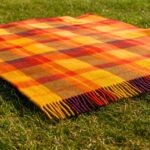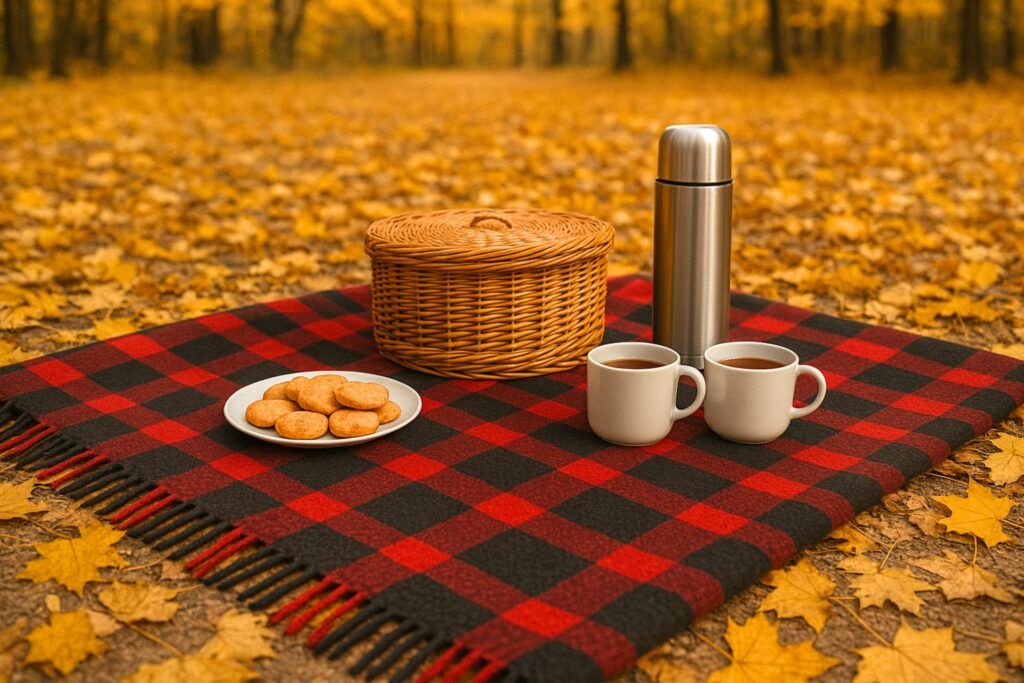
Pure wool picnic blankets provide natural warmth, resist light moisture, and last for years. They’re eco-friendly and stylish, making them ideal for cool-weather picnics when comfort, durability, and sustainability matter most.
What is a 100% wool blanket?
A 100 % wool blanket is made entirely from natural wool fibers – such as merino, alpaca, or classic sheep’s wool – without synthetic blends. Its weave, thickness, and finish determine softness, warmth, and moisture resistance for outdoor or indoor use.
Beyond its pure composition, a 100 % wool blanket benefits from the unique structure of wool fibers. Each strand has natural crimp and lanolin, creating tiny air pockets that trap heat and repel light moisture. These properties explain why wool blankets stay warm even when slightly damp.
Quality and comfort also vary: fine merino wool feels soft and silky, while traditional sheep’s wool provides firmer texture and extra durability. Whether woven or felted, the density of the fabric influences weight, breathability, and how well it cushions a picnic setup.
Pros: What makes wool blankets good for picnics
Pure wool picnic blankets excel outdoors with natural insulation, moisture resistance, and long-lasting durability. They stay warm even when damp, add stylish comfort, and support eco-friendly living – ideal for cozy forest lunches or cool-weather park gatherings.
Thermal regulation and insulation
A 100 % wool picnic blanket naturally traps heat inside its springy fibers, creating a soft insulating layer. Even when the ground is damp or the air cools suddenly, it keeps you warm longer than cotton or synthetic mats—ideal for autumn forest picnics, lakeside brunches, or late-evening gatherings.
Moisture management and water resistance
Wool’s hydrophobic lanolin coating repels surface moisture while its core fibers absorb vapor without feeling wet. This dual-action shield protects against morning dew, damp grass, and drizzles, helping clothes and picnic food stay dry during outdoor adventures.
Durability
Known for long-lasting strength and resilience, a pure wool blanket resists stretching, fraying, and flattening. Properly aired and stored, it can serve for many years of camping, hiking, and cozy garden picnics, outperforming thinner synthetic picnic rugs.
Eco-friendliness
Made from a renewable and biodegradable natural fiber, a wool picnic blanket supports eco-friendly lifestyles. It sheds no microplastics, requires less frequent washing, and aligns with sustainable choices for zero-waste or eco-conscious travelers.
Aesthetic and feel
Classic red and black plaid wool blankets or elegant neutral patterns add instant style and texture to an outdoor table. Their cozy weight creates a luxurious, inviting seating area that elevates casual picnics into photo-worthy moments.
Antibacterial and mildew resistance
Wool’s natural antimicrobial properties prevent bacterial growth and mildew, even after contact with damp leaves or forest ground. This makes the blanket more hygienic and fresher-smelling than many cotton or synthetic alternatives.
Fire resistance
Wool fibers are naturally flame-retardant, charring slowly instead of igniting. This added safety is valuable when picnicking near barbecues, camp stoves, or evening bonfires, as it reduces the risk compared to plastic-based picnic mats.
Cons: What might make wool blankets less suitable
Wool picnic blankets can feel heavy, cost more, and need delicate care. They may shed, itch, or absorb water in heavy rain, making them less convenient for long hikes or wet-weather outdoor picnics.
Weight and bulk
A 100 % wool picnic blanket offers unmatched warmth but is naturally thicker and heavier than most synthetic mats. When carrying gear over long trails or packing a small car trunk, its bulk can feel challenging despite the comfort it provides.
Cost
Premium pure wool blankets command a higher price because of the labor-intensive shearing, spinning, and weaving process. While the upfront cost is greater than polyester or fleece, the long lifespan and timeless style often justify the investment for frequent picnickers.
Cleaning requirements
Wool’s delicate fibers require gentle cleaning methods. Hand washing or a cool wool-cycle wash prevents felting and shrinkage, while full air-drying restores natural loft and keeps the blanket picnic-ready for years.
Shedding and pilling
New wool blankets may shed loose fibers or develop small pills as the surface settles. Regular shaking and light brushing remove early fuzz, leaving a smoother, more durable surface for outdoor seating.
Possible itchiness
Some coarse wools can feel scratchy against bare skin, especially during warm-weather picnics. Opting for fine merino or alpaca wool, or layering a light cotton sheet on top, keeps the surface soft and inviting.
Sensitivity to the environment
Although wool naturally repels light moisture, heavy rain or prolonged contact with puddles can saturate the fibers. This adds weight and slows drying, making a waterproof groundsheet a smart companion in wet climates.
Shrinkage and insect damage
Without proper care, wool can shrink or attract moths during storage. Washing in cold water, drying flat, and using breathable storage bags with cedar blocks or lavender safeguard the blanket’s size, texture, and longevity.
What to look for / How to mitigate the cons (for picnic-use)
Choose tightly woven wool with waterproof backing, soft merino fibers, and a fold-and-carry design. Opt for machine-washable or easy spot-clean blankets and store them in breathable bags to prevent shrinkage, moisture, and insect damage.
| Feature | How to Choose and Care |
| Weave tightness & waterproof backing | Pick a dense, tightly woven wool picnic blanket to block wind and surface dampness. A discreet waterproof or waxed-cotton underside keeps seating dry on dew-covered grass or after light rain. |
| Weight vs. thickness trade-off | Choose a lightweight wool weave for warmth without bulk. Thinner, high-quality fabrics insulate well and are easier to carry to forest clearings or lakesides. |
| Softness & fibre type | Opt for fine merino or alpaca wool for a soft, skin-friendly feel. Avoid coarse sheep wool if guests may sit directly on the blanket. |
| Portability & storage design | Look for fold-and-carry features such as leather straps, handles, or compact roll-up shapes to simplify transport on hikes and keep gear organized. |
| Easy cleaning | Select blankets labeled machine-washable on a wool cycle or designed for quick spot cleaning. Natural lanolin and stain-resistant finishes reduce frequent washing. |
| Protective storage | Store in a breathable cotton bag with cedar blocks or lavender sachets to prevent moth damage, maintain freshness, and keep the wool picnic blanket ready for next use. |
Compare wool picnic blankets with other materials
Wool offers natural warmth, moisture resistance, and eco-friendliness, while cotton feels softer but absorbs dampness. Synthetic fleece dries quickly yet traps heat and sheds microplastics. Waterproof picnic mats block ground moisture but lack wool’s insulation and long-term durability.
| Material | Advantages Over Wool | Disadvantages Relative to Wool |
| Cotton / Linen | Lightweight, breathable, and affordable, with a naturally soft feel that’s gentle on skin. Easy to machine wash and quick to dry, making it convenient for frequent picnics or beach outings. | Extremely light and budget-friendly, these blankets dry fast and often feature a water-repellent finish. Ideal for quick park visits or beach trips where weight and drying time are most important. |
| Synthetic blends / Polyester / Fleece | Special picnic blankets with a plastic or waterproof underside | Poor breathability and weaker eco-profile—they trap heat and moisture, can feel clammy in warm weather, and may shed microplastics or melt near campfires. |
| Special picnic blankets with plastic or waterproof underside | Purpose-built for ground protection, they block dampness, clean easily, and often fold compactly with carry straps, making them highly practical. | Less warmth and natural comfort, with a synthetic feel. The waterproof backing may crack or wear over time and is usually not biodegradable. |
Best and worst times to use a 100% wool picnic blanket
A pure wool picnic blanket shines in cool, crisp conditions. It keeps guests warm on chilly autumn or early spring days, during early mornings, or at sunset picnics. Its rich texture and classic style also suit romantic outings or relaxed family gatherings where comfort and elegance matter. Long-lasting fibers make it ideal for anyone who wants a blanket to serve for many seasons.
However, wool is less practical on very hot summer days, as it may trap heat. It’s also not the best choice for rainy or muddy spots without a waterproof groundsheet. Because wool is naturally heavier, long hikes that require light packing can be challenging.
People with wool allergies or sensitive skin may also prefer a softer alternative, such as fine cotton or blended picnic mats.
FAQs
Wash in cold water on a gentle wool cycle or hand wash with mild detergent. Lay flat to air-dry to keep the natural fibers resilient and the blanket picnic-ready.
Yes. The dense natural insulation of a wool picnic blanket keeps body heat in, making it perfect as a warm shoulder wrap for cool evenings or sunrise picnics.
Store the blanket clean and fully dry in a breathable cotton bag with cedar blocks or lavender. This prevents moth damage and keeps natural wool fibers fresh.
Adding a waterproof groundsheet or waxed-cotton backing protects against wet grass and puddles, extending the life of the wool picnic blanket and keeping seating areas dry.
Prolonged UV exposure can dull natural dyes. Fold or cover the blanket when not in use to preserve vibrant plaid or tartan colors during long summer picnics.
Yes. Merino wool has extra-fine fibers that feel smooth and reduce itchiness, offering soft comfort for children or anyone with sensitive skin during outdoor picnics.
It works well for cool seaside picnics. Shake off sand after use and air-dry to maintain the wool’s natural breathability and long-lasting outdoor performance.
Blot spills quickly with a dry cloth, then gently dab with cold water and mild wool detergent. Avoid rubbing to keep fibers smooth and prevent felting.
High-quality recycled wool blankets, tightly woven and well-finished, can match the warmth and longevity of new wool while supporting sustainable and eco-friendly picnic choices.
Yes. The thick, springy weave of a wool picnic blanket cushions uneven ground, creating a softer, warmer seating surface than thinner cotton or synthetic picnic mats.
✨ Love picnics as much as we do?
Join our community and get fresh picnic ideas, tips, and inspiration straight to your inbox. No spam, just simple ways to make every picnic special. 🌿🍓