Every picnic, camping trip, or beach outing depends on one thing: keeping food and drinks safe and refreshing. A cooler on its own is only insulation—it doesn’t create cold. Ice packs act as the fuel that powers your cooler, maintaining low temperatures and protecting perishable foods from spoiling.
If you use too few packs, sandwiches and salads will warm quickly, increasing the risk of foodborne bacteria. If you overload with packs, you lose space for drinks and snacks.
The key is balance. Finding the proper ice-to-food ratio is what makes your cooler efficient and prevents waste of space.
General rule of thumb: ice pack ratio for coolers
The most common guideline is the 2:1 ratio—two parts ice packs for every one part food or drink by volume. That doesn’t mean cramming the cooler full of frozen packs. Instead, focus on balanced coverage.
Arrange ice packs so cold air circulates evenly around your picnic food and drinks, keeping sandwiches, salads, and drinks at a safe serving temperature and eliminating warm spots inside the cooler.
For example, a 50-quart cooler filled for a family picnic may require 6–8 medium ice packs, while a 12-quart personal cooler often stays cold with just one or two slim packs. The bigger the cooler, the more frozen mass you need to absorb heat and maintain a stable temperature.
How many ice packs for small coolers (6–12 quarts)
Personal coolers, often used for solo trips, office lunches, or short picnics, need minimal cooling. One to two slim ice packs are usually enough for 6–12 quart containers. Place one at the bottom and, if possible, one on top for balanced coverage.
If you’re heading out in hot weather, consider adding a second small pack or using frozen juice boxes as a substitute.
Slim freezer packs are the best choice here—they save space while still providing reliable cold.
How many ice packs for medium coolers (20–40 quarts)
Medium coolers are popular for family picnics, beach days, and small gatherings. At this size, you’ll want three to four medium or large ice packs.
When packing mostly drinks, place ice packs between the layers. Bottles and cans hold cold well so that fewer packs may be needed.
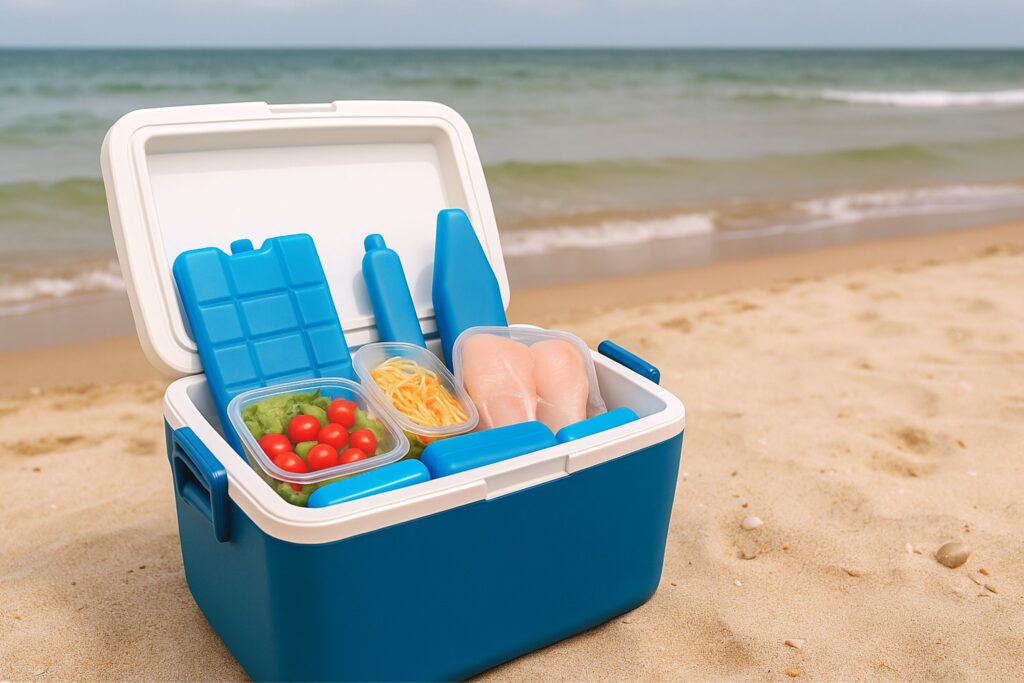
When packing perishable picnic foods like cheese, chicken, or salads, add extra packs.
A solid setup consists of one large pack at the bottom, one or two packs on the sides, and a slim one on top. This creates a “cold barrier” around your items.
How many ice packs for large coolers (50–70 quarts)
Large coolers are the standard for weekend camping trips or full-day outdoor events. For this size, you need six to eight ice packs, especially if you’re storing raw meat, dairy, or seafood.
Placement matters here: a minimum of two on the bottom, two along the sides, and two on top. For extended trips, add frozen water bottles between food layers to maintain a consistent temperature.
This method not only improves cooling but also gives you extra cold drinks when the bottles thaw.
How many ice packs for extra-large coolers (100 quarts and above)
Heavy-duty coolers of 100+ quarts are built for long camping trips or group outings. At this scale, expect to use eight to ten or more large ice packs.
The best approach is layering: a base layer of packs, a middle layer between foods, and another on top.
Flexible gel packs can fill small gaps, ensuring that no section of the cooler remains unprotected.
For multi-day trips, combine reusable packs with block ice or frozen gallon jugs. This strategy maintains the cooler’s temperature for 2–3 days without requiring restocking.
Why is cooler ice pack placement as important as quantity
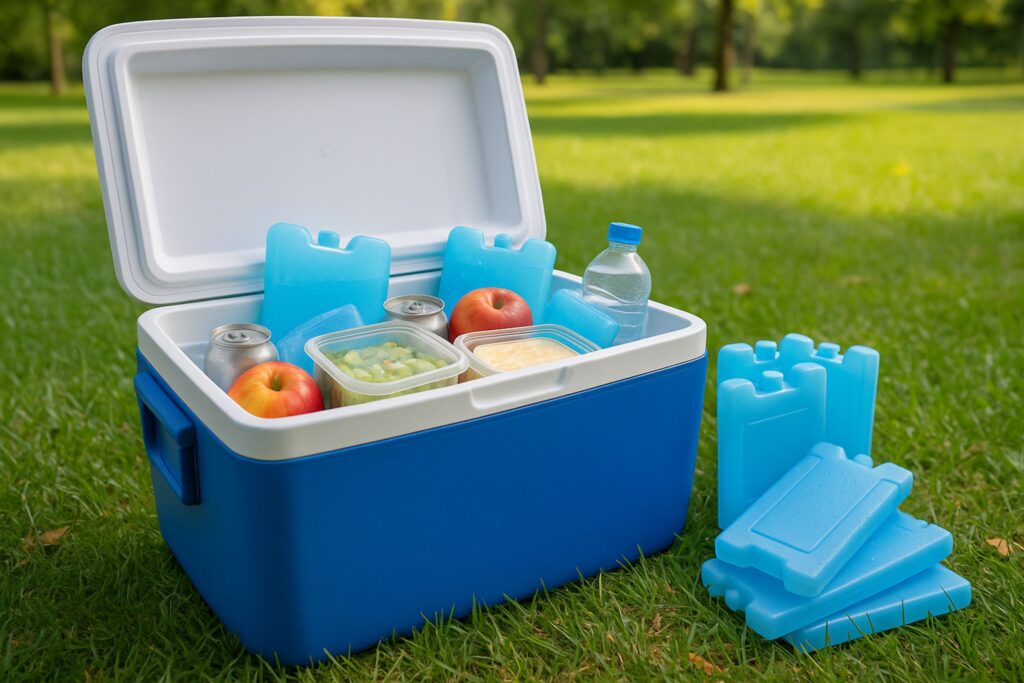
Using enough ice packs is only half the battle. Placement is what keeps your cooler evenly cold. Cold air sinks, so relying only on packs at the top will leave the bottom items exposed to higher temperatures.
For best results, create layers: place large packs on the bottom, position perishable food directly on them, and then add packs on the sides and top.
Less sensitive items, such as snacks or fruit, can be placed in the middle, where temperature fluctuations are less critical.
Types of ice packs and which are best for coolers
Different ice packs work better for different cooler sizes:
- Hard ice blocks: long-lasting, ideal for large coolers.
- Gel packs: flexible, good for filling gaps and layering.
- Slim freezer packs: space-saving, perfect for lunch coolers.
For extended camping trips, mix types. Use solid blocks for a cold base and flexible gel packs to keep small spaces cool.
If you want packs that stay frozen longer, invest in reusable hard packs—they hold temperature more effectively than thin gel versions.
Expert cooler packing tips for picnics
To make the most of your cooler, treat it like a portable refrigerator—pre-chill food and drinks before packing. A warm soda will quickly melt a pack, while a pre-chilled one keeps everything stable.
Frozen items can serve double duty. Water bottles, juice pouches, or even frozen fruit, such as grapes, can serve as edible ice packs. Wrap ice packs in thin towels to prevent condensation and keep the packaging dry.
Keep your cooler in the shade, never in direct sunlight. If you’re at the beach, place it under an umbrella or cover it with a reflective blanket. Each small step helps extend the life of your ice packs.
Food safety and cooler temperatures
Food safety is the primary reason for calculating the number of ice packs needed per cooler size. Perishables, such as meat, seafood, and dairy, must be kept below 40°F (4°C). If the temperature rises above this level for more than two hours, food becomes unsafe to eat.
Using the correct number of packs per cooler size ensures you maintain safe storage conditions throughout your picnic or camping trip.
Always plan for the hottest part of the day, not the coolest, when deciding how many packs to bring.
Ice packs vs. loose ice for coolers
Many picnic planners wonder whether reusable ice packs or loose ice are more effective in keeping food and drinks cold. Ice packs for coolers are cleaner, reusable, and won’t leave melted water at the bottom. Loose ice surrounds items more thoroughly and can last longer when used in bulk.
For short outdoor trips, ice packs are the smarter choice. They prevent soggy packaging and can be frozen again for future use.
For camping or extended picnics, a mix of block ice and freezer packs works best. The block ice keeps the base temperature low, while gel packs distribute cold evenly across layers.
How long do coolers stay cold with ice packs?
The cooling time depends on the number of packs and the size of the cooler. A small lunch cooler with two slim packs may stay cold for 6–8 hours.
A medium picnic cooler with four packs plus frozen drinks can keep food fresh for up to 18 hours. Larger camping coolers with six or more packs, when packed tightly, may hold safe temperatures for over 24 hours.
High-end insulated coolers paired with eight or more large packs can retain ice for two to three days.
The rule is simple: the more frozen material you use in proportion to food, the longer your cooler maintains safe food storage temperatures below 40°F (4°C).
Example setups for different cooler sizes
Small cooler (6–12 quarts)
For a solo picnic or work lunch, use 1–2 slim freezer packs. Place one on the bottom and one on top to create even cooling. Frozen juice boxes or water bottles can replace one pack, freeing space for sandwiches or fruit.
Medium cooler (20–40 quarts)
This is the most common size for family picnics. Use 3–4 medium ice packs arranged at the bottom, sides, and top.
If you’re packing salads or cheese, add an extra slim pack on top. Pre-chilled drinks extend cooling and reduce strain on the packs.
Large cooler (50–70 quarts)
For camping or group outings, you’ll need 6–8 large ice packs or a mix of gallon jugs and packs. Layer them on the bottom and sides, with extra packs between food layers.
This arrangement helps prevent warm spots and keeps meat, eggs, and dairy products safe for up to 48 hours.
Extra-large cooler (100 quarts and above)
These heavy-duty coolers require 8–10 or more packs of ice. Use the “sandwich method”: ice packs on the bottom, food in the middle, another pack layer on top, and gel packs in gaps.
Combine block ice with packs for long camping trips or road journeys.
Best practices for maximizing cooler efficiency
Even with sufficient ice packs, poor packing can still reduce cooling time. Here’s how to keep your cooler efficient:
- Pre-chill your cooler
Coolers at room temperature warm up your packs faster. Place a frozen block inside for an hour before packing. - Pack the cooler tightly
Air warms faster than food. If there’s space, fill it with extra frozen bottles or flexible gel packs. - Limit lid openings
Every opening lets warm air in. Use a separate drink cooler to reduce unnecessary access to the main one. - Keep coolers in the shade
Direct sunlight speeds up melting. Cover your cooler with a light towel or reflective blanket to extend ice retention. - Layer perishable items at the bottom
The coldest air sinks. Store meat, seafood, and dairy close to ice packs. Place snacks and drinks higher, where slight temperature changes matter less. - Rotate reusable ice packs
If you’re on a trip longer than one day and have access to a freezer, swap thawed packs with frozen ones. This keeps cooling consistently.
Is it better to use more ice packs in a cooler?
Many people assume loading a cooler with as many ice packs as possible will keep it cold longer.
The truth is that overpacking with ice packs reduces space for food and drinks. The smarter approach is to follow the ice-to-food ratio.
For most picnics, filling 30–40% of the cooler volume with cold sources is enough to maintain safe storage.
For example, a 30-quart cooler doesn’t need six or seven packs. Four well-placed packs, plus frozen water bottles, will provide a better balance.
This strategy ensures both food safety and space efficiency.
When to use dry ice in coolers
For multi-day camping trips, dry ice is an alternative. It keeps food frozen longer than standard packs.
However, dry ice requires careful handling. It should not come into direct contact with food, and the cooler must have adequate ventilation.
Dry ice also isn’t safe for small family coolers or casual park picnics. For most situations, reusable ice packs and frozen bottles are safer and easier.
Match ice packs to cooler insulation quality
The quality of your cooler directly affects how many ice packs you need. Budget models with thin insulation require more packs to achieve the same result as a premium rotomolded cooler.
For example, a 50-quart basic cooler may need six large packs to stay cold all day, while a high-performance cooler might only need four.
Checking insulation thickness, lid seals, and drainage plugs helps you estimate the amount of cooling power you need.
Expert picnic tip for cooler packing
Think of your cooler like a refrigerator that only works when the door stays shut. Pre-chill food, freeze drinks, and layer your packs for even coverage.
Frozen grapes, yogurt tubes, or water bottles serve as both cold sources and snacks.
Cooler size breakdown: exact ice pack numbers per quart
Understanding exactly how many ice packs fit each cooler size removes guesswork. The chart below serves as a simple guide, but let’s expand on it so you understand what works in real-life situations.
- 6–12 quarts (personal coolers): 1–2 slim packs
- 20–30 quarts (small family coolers): 3–4 medium packs
- 40–50 quarts (standard coolers): 5–6 large packs
- 60–70 quarts (large camping coolers): 6–8 large packs
- 100+ quarts (extra-large coolers): 8–10+ packs, plus block ice if needed
These numbers assume pre-chilled food and average outdoor conditions. If you’re packing warm drinks straight from the pantry, you’ll need more cooling power.
Practical tip: balance space vs. cold
Overstuffing a cooler with packs leaves no room for food, while under-packing causes temperature spikes. The goal is balance: 30–40% of your cooler’s capacity should be cold sources.
This ratio applies to all cooler sizes and ensures safe storage for several hours or even days.
Our recommendations for size-based cooler planning
If you’re planning a picnic or camping trip:
- For a small picnic cooler (10–20 quarts): carry 2–3 slim packs.
- For a family outing cooler (30–40 quarts): pack 3–4 medium to large packs.
- For a camping cooler (50–70 quarts): use 6–8 large packs.
- For an extra-large cooler (100 quarts+): aim for 10 or more, plus frozen jugs.
These numbers keep perishable foods safe without wasting cooler space. Knowing the exact number of ice packs your cooler needs saves time when organizing a picnic and streamlines packing, allowing you to focus on planning the fun instead of making last-minute adjustments.
This tip is especially valuable for a large group picnic loaded with fresh picnic food. Proper cooling ensures sandwiches, salads, and drinks stay at a safe serving temperature, while efficient preparation keeps the entire outdoor meal smooth and stress-free from start to finish.
FAQs
Can frozen fruit or vegetables replace ice packs in a cooler?
Yes. Frozen grapes, peas, or corn bags can serve as effective substitutes for ice packs. They add cooling mass and later double as snacks or cooking ingredients. This trick is handy in small coolers where space is limited.
Do insulated cooler bags need freezer packs?
Yes. Soft-sided insulated cooler bags always need packs inside. Without them, insulation alone won’t keep food safe beyond 1–2 hours. Slim gel packs are the best choice since they fit easily in compact bags.
How long should you freeze ice packs before using them?
Most freezer packs should be frozen for at least 8 to 12 hours. Larger block packs may take up to 24 hours to process. Freezing them overnight ensures maximum ice retention during your picnic or trip.
Are some ice pack brands longer-lasting than others?
Yes. Premium phase-change freezer packs and dense gel blocks usually last longer than standard budget packs. They are more effective for multi-day camping or road trips where maximum ice retention is essential.
Do frozen water bottles work better than gel packs?
Frozen water bottles are a budget-friendly alternative. They add extra cooling power and provide safe drinking water once thawed. Gel packs, however, spread cold more evenly inside the cooler, especially in medium and large sizes.
How does summer heat affect ice pack performance?
High summer heat significantly reduces ice retention. On days above 85°F (29°C), expect to use 20–30% more freezer packs than normal. Always keep the cooler shaded or covered to maintain performance.
Can you refreeze ice packs immediately after use?
Yes. Wipe them dry and return them to the freezer as soon as you get back. Most reusable packs require 12–24 hours to freeze solid again, depending on their size and the freezer settings.
Is it safe to store raw meat directly against ice packs?
It’s safer to place raw meat in sealed containers or bags before packing near ice packs. This prevents condensation or leaks from spreading bacteria inside your cooler.
Do ice packs keep food colder than ice cubes?
Yes. Ice packs don’t melt into water, so they keep packaging dry while maintaining low temperatures. Ice cubes cool faster but create meltwater unless bagged. A mix of cubes and packs often gives the best balance.
Can you make DIY ice packs for coolers?
Yes. Homemade ice packs, made with frozen water, saltwater, or dish soap in sealed bags, work well for short outings. However, commercial freezer packs usually last longer and are less messy.
How do you keep ice packs colder for longer inside a cooler?
Keep the cooler shaded, pack items tightly, and avoid frequent lid openings. Wrapping packs in thin towels or placing them near frozen drinks helps extend the cold life.
Can slim freezer packs replace block ice packs?
Slim packs are excellent for layering and fitting into tight spaces. Block packs last longer in larger coolers. Using a combination ensures both extended cold and even coverage.
Are reusable packs better than single-use ice bags?
Yes. Reusable freezer packs are more sustainable and consistent. Single-use ice bags melt quickly, creating water buildup, while reusable packs maintain steady cooling and reduce waste.
How many packs are needed for overnight camping?
For most camping trips, plan on at least six large packs in a medium to large cooler. Adding frozen gallon jugs or block ice extends cooling into the second day without restocking.
Can reusable packs replace dry ice for long trips?
No. Freezer packs only keep food cold, while dry ice keeps items frozen. For extended frozen storage, dry ice is necessary. For picnics and camping, freezer packs are safer and easier to manage.
Are there foods that stay cold longer without packs?
Yes. Dense items, such as bottled drinks, apples, and citrus fruits, retain cold better than dairy products, salads, or raw meat. Knowing this helps decide where to place your ice packs inside the cooler.
How do you check if your cooler is cold enough?
Use a thermometer placed inside the cooler. Temperatures must stay below 40°F (4°C). If it rises higher for more than two hours, add more packs or replace with fresh frozen sources.
Can condensation from packs affect food quality?
Yes. Condensation may cause packaging to weaken or leak. Wrapping packs in thin towels or using sealed containers helps prevent this.
Should you use separate coolers for drinks and perishable foods?
Yes. Using a smaller cooler for drinks prevents the main food cooler from being opened frequently. This preserves cold air inside and helps ice packs last much longer.
✨ Love picnics as much as we do?
Join our community and get fresh picnic ideas, tips, and inspiration straight to your inbox. No spam, just simple ways to make every picnic special. 🌿🍓